




BoE's Megan Greene on Monetary Policy Amid Supply Shocks
BoE external MPC member Megan Greene discusses the limitations of monetary policy in addressing supply-side shocks, highlighting the compounding effects of recent disruptions.
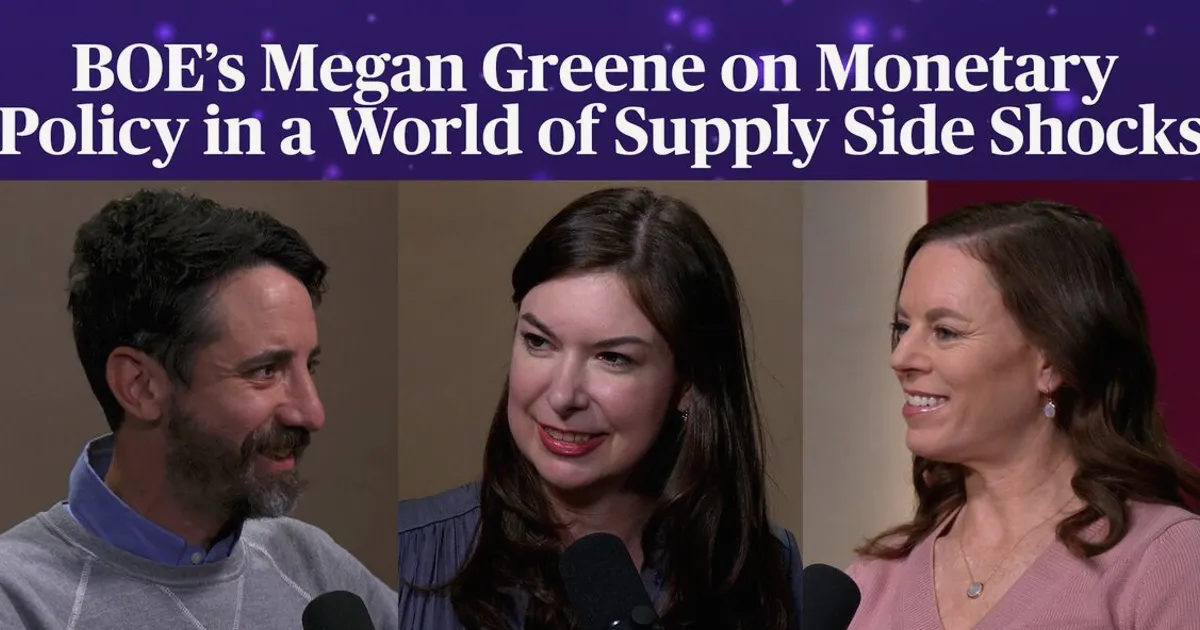
Bank of England external Monetary Policy Committee member Megan Greene has weighed in on the challenges central banks face when supply-side shocks hit the economy. In a recent interview, Greene noted that monetary policy tools are primarily designed to manage demand, leaving them ill-equipped to address disruptions such as supply chain bottlenecks, the war in Ukraine, and geopolitical tensions in Iran. These events, she argued, do not necessarily reflect the underlying health of the economy, yet they complicate the central bank's ability to set appropriate policy.
For traders focused on interest rates and central bank policy, Greene's remarks underscore a persistent dilemma. When supply shocks drive inflation, central banks face a choice between tightening to curb price pressures and looking through the shock to avoid damaging growth. The Bank of England, like many peers, has had to navigate this trade-off carefully. The compounding nature of recent disruptions means that the usual playbook—raising rates to cool demand—may be less effective if inflation is being fueled by constrained supply. This dynamic has implications for rate expectations, as markets must assess how much weight policymakers will place on transitory versus persistent factors. For current pricing on UK rates, check NowPrice's rates page for real-time data.
Looking ahead, Greene's comments suggest that the BoE will continue to emphasize a data-dependent approach. Key indicators to watch include wage growth, services inflation, and any signs that supply-side pressures are easing. The MPC's next meeting will be scrutinized for any shift in language regarding the persistence of supply shocks. Traders should also monitor geopolitical developments and trade policy changes, as these could further complicate the inflation outlook. The debate over whether to 'look through' supply shocks is likely to remain a central theme for central banks globally, making Greene's perspective a valuable input for rate forecasts.