




 Commodity prices
Live commodity futures from CME and ICE — Arabica and Robusta coffee, grains (wheat, corn, soybean, rice), softs (sugar, cocoa, cotton, rubber), industrial metals and materials. Compare prices side by side with the top producing countries.
Soft commodities — world
Grains — world
Industrial & materials — world
Producers around the world
Pick a country to see the commodities it produces and today's benchmark prices in local currency.
🇺🇸United States
- Corn #1 World rank · 32% share479.8¢/bushel▼ -4.10%
- Soybean #1 World rank · 34% share1,292.0¢/bushel▲ +0.35%
- Lumber #1 World rank · 19% share$533.00 /1000bf▲ +2.80%
- Cotton #3 World rank · 14% share81.02¢/lb▲ +0.60%
- Wheat #4 World rank · 6% share671.0¢/bushel▼ -1.79%
About commodity prices
Prices shown are the most recent traded price for each commodity futures contract. Soft commodities (coffee, sugar, cocoa, cotton) and grains (wheat, corn, soybean, rice) quote in US cents per pound or per bushel. Copper, lumber and steel HRC quote in US dollars. Prices refresh every 5 minutes from public futures markets and are for informational use only — not investment advice.
Frequently asked questions
What is the spot price of a commodity?
The spot price is the price for delivery now, set continuously by global futures markets — ICE for softs (coffee, sugar, cocoa, cotton), CBOT for grains (wheat, corn, soybean), LME for industrial metals, CME for lumber and steel. The headline number quoted everywhere is the front-month futures contract on the dominant exchange for that commodity.
Why are the units different across commodities?
Each contract trades in the unit historical to its market. Softs and grains trade in US cents per pound or per bushel because that's how the CBOT and ICE wrote their original contracts. Industrial metals like copper trade in dollars per pound on COMEX, but tonne globally on LME. Coffee Robusta uses dollars per tonne because the LIFFE/London contract was tonne-denominated. We render units verbatim ("281.30¢/lb", "$3.95/lb", "$3,361/tonne") instead of normalising — converting hides the conventional quote you'll see at your broker.
Why do commodity prices move?
Three drivers: supply (weather, harvests, mine output, OPEC-style cartels for some), demand (industrial cycle, currency strength of buyer countries, biofuel and battery mandates) and macro (US dollar strength, real yields, risk-on/risk-off flows). For agricultural commodities the USDA WASDE report monthly and weather in producer countries are the biggest swing factors. For industrial metals the China PMI and global manufacturing data dominate.
How often are the prices updated?
The global futures prices on this page are updated every 5 minutes from Yahoo Finance during exchange hours. Robusta coffee and rubber are scraped from primary sources every 30 minutes. The "Last updated" timestamp at the top of the page shows the exact moment.
Where does NowPrice get the prices?
Yahoo Finance for the major futures contracts (KC/SB/CC/CT for softs, ZW/ZC/ZS/ZR for grains, HG/LBR/HRC for industrial metals). Coffee Robusta is scraped from investing.com because Yahoo delisted the RM=F contract. Rubber from tradingeconomics.com.
Are these prices safe to trade on?
NowPrice publishes indicative futures prices. Always check the live quote at your broker, exchange or merchant before trading — small moves between updates can matter on large positions. We are not a regulated broker and don't guarantee the figures. The contract-month rolls (e.g. Yahoo switching from KC=F May to KC=F July) can briefly skew "previous close" if the new contract trades at a different level.
Latest news
See all →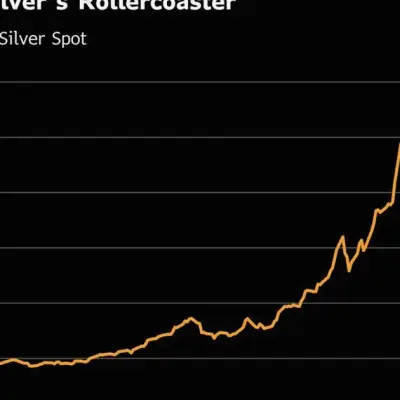
China’s Top Solar Maker Switches From Silver to Copper
China’s largest solar manufacturer has started producing cells that replace silver with copper, responding to surging silver prices that have pressured the solar industry since last year.
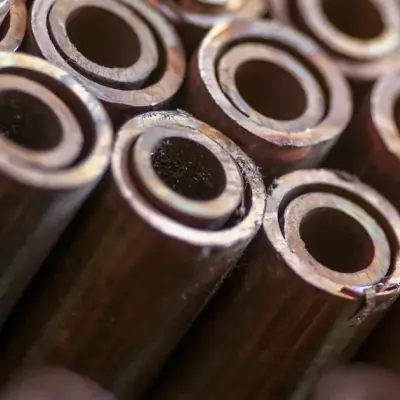
Copper Rises as Risk Assets Shrug Off US Strikes on Iran
Copper prices rose as risk appetite returned, with traders focusing on AI-driven demand optimism rather than escalating US-Iran tensions.
SK Hynix US IPO More Than Seven Times Oversubscribed
SK Hynix's US IPO is more than seven times oversubscribed, signaling strong investor demand for the South Korean memory chipmaker ahead of its pricing this week.
FMC Files First Global Regulatory Submission for Rimisoxafen Herbicide
FMC Corporation has submitted the first global regulatory dossier for its new herbicide rimisoxafen to the US EPA, targeting key row crops amid rising weed resistance.

Alix Partners' Lee Sees Weak Long-Term Linear Valuation
Grace Lee of Alix Partners warns that Linear's long-term valuation is not promising, casting doubt on the media sector's dealmaking outlook amid the Allen & Co. conference.