




WTI Crude Oil
USD/bbl · Yahoo Finance
Price history
Other fuels
What drives the price
WTI (West Texas Intermediate) is the US benchmark for light, sweet crude oil, priced at the Cushing, Oklahoma delivery hub. NYMEX CL futures set the reference for North American producers and refiners; spreads against Brent reflect the gap between landlocked US supply and globally-traded barrels.
- OPEC+ production decisions and US shale output drive the supply side
- Cushing storage levels signal pipeline congestion that widens the WTI–Brent spread
- US refinery utilisation and crack spreads pull demand into WTI
- Risk sentiment, the DXY dollar index and 10-year Treasury yields move the macro overlay
Frequently asked questions
What is WTI crude oil?
WTI (West Texas Intermediate) is a light, sweet crude oil grade produced primarily in the Permian Basin of Texas and New Mexico. It is the underlying physical commodity for NYMEX CL futures, with delivery at Cushing, Oklahoma.
What's the difference between WTI and Brent?
WTI is lighter (higher API gravity) and sweeter (lower sulfur) than Brent, but Brent has a global pricing advantage because it is seaborne. WTI typically trades $2-8 below Brent depending on US pipeline capacity from the Permian to Gulf Coast export terminals.
Why do WTI prices move on OPEC+ news?
OPEC+ controls roughly 40% of global oil supply. Production cuts or expansions shift the global supply-demand balance, which arbs through to WTI even though OPEC+ countries don't produce WTI directly.
How does WTI affect US gasoline prices?
WTI is the input cost for US refiners. A $1/barrel rise in WTI typically lifts retail gasoline by about 2.4 cents per gallon, but the pass-through takes 2-4 weeks and is muted by refinery crack-spread economics and seasonal demand.
Latest news
See all →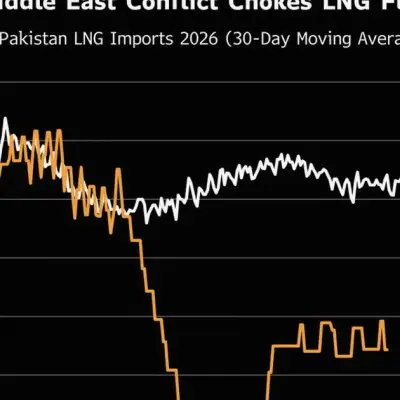
Pakistan Seeks Urgent LNG Cargo as Hormuz Attacks Disrupt Supply
Pakistan issues an urgent tender for an LNG cargo after renewed hostilities in the Strait of Hormuz disrupt supply, raising concerns over Asian spot LNG prices and energy security.

Deutsche Bank Eyes India, Indonesia Bonds on Oil Below $70
Deutsche Bank's private arm signals it will buy emerging Asia bonds if oil stays below $70, as lower crude reduces inflation and yields in import-dependent economies.

Modi and Albanese Pledge Deeper Economic, Defense, Energy Ties
Indian PM Modi and Australian PM Albanese met in Melbourne to deepen economic, defense, and energy cooperation, signaling stronger bilateral ties.
About this benchmark
WTI Crude Oil is one of the principal benchmarks for energy markets. NowPrice publishes the live futures price (USD/bbl) along with intraday range and a 24-hour / 7-day / 30-day price-history chart. Data is sourced from Yahoo Finance and refreshed every 5 minutes during market hours.