




ECB Must Act If Iran War Threatens Price Stability, Nagel Says
ECB Governing Council member Joachim Nagel warned that the central bank must act if the Iran conflict threatens price stability, while the ECB continues to analyze data before its next rate decision.
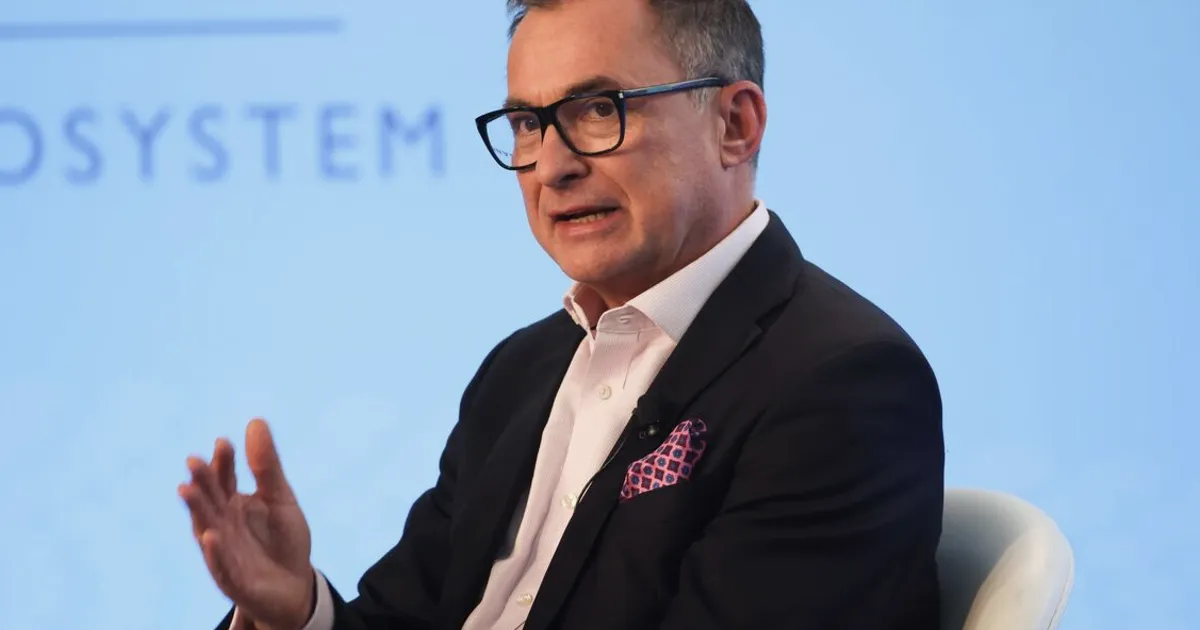
European Central Bank Governing Council member Joachim Nagel said the ECB must be ready to act if the Iran war threatens price stability, as the central bank continues to assess economic data ahead of its next rate decision in June. Nagel, who also heads the Bundesbank, emphasized that the ECB's primary mandate is price stability, and any geopolitical shock that risks derailing inflation towards its 2% target would warrant a policy response. The ECB has already raised rates by 450 basis points since July 2022, but the conflict in Iran introduces a new layer of uncertainty, potentially complicating the central bank's efforts to bring inflation down without triggering a recession.
Nagel's comments highlight the growing concern among policymakers about the inflationary impact of geopolitical tensions. The Iran conflict could disrupt energy supplies through the Strait of Hormuz, a critical chokepoint for global oil shipments, and push up oil prices, feeding through to broader inflation. For interest rate traders, this raises the risk that the ECB may need to tighten policy further even as the euro zone economy shows signs of slowing. The ECB's Transmission Protection Instrument (TPI), designed to counter unwarranted bond market fragmentation, could be tested if the conflict widens spreads between core and peripheral euro zone yields. Live rates and charts on NowPrice show how markets are pricing in the evolving rate path, with swap spreads reflecting increased uncertainty about the ECB's next moves.
Looking ahead, the ECB will closely monitor oil prices, inflation expectations, and wage data in the coming weeks. The June meeting will be pivotal, with markets watching for any shift in the central bank's forward guidance. Nagel's hawkish tone suggests that the Governing Council is prepared to prioritize price stability over growth if the geopolitical situation deteriorates. Analysts will also watch for any impact on the yield curve, as a sustained inversion could signal recession risks, while the term premium may rise due to heightened uncertainty. The ECB's balance sheet, still elevated from pandemic-era asset purchases, provides some buffer, but further tightening could strain the transmission mechanism. Ultimately, the ECB's dual mandate—though secondary to price stability—may force a delicate balancing act if growth falters alongside rising inflation.