




Why Parenting Now Feels Like an Investment Strategy
Modern parenting increasingly mirrors an investment strategy, driven by hustle culture and hyperoptimization, as discussed by sociologist Nina Bandelj on Bloomberg This Weekend.
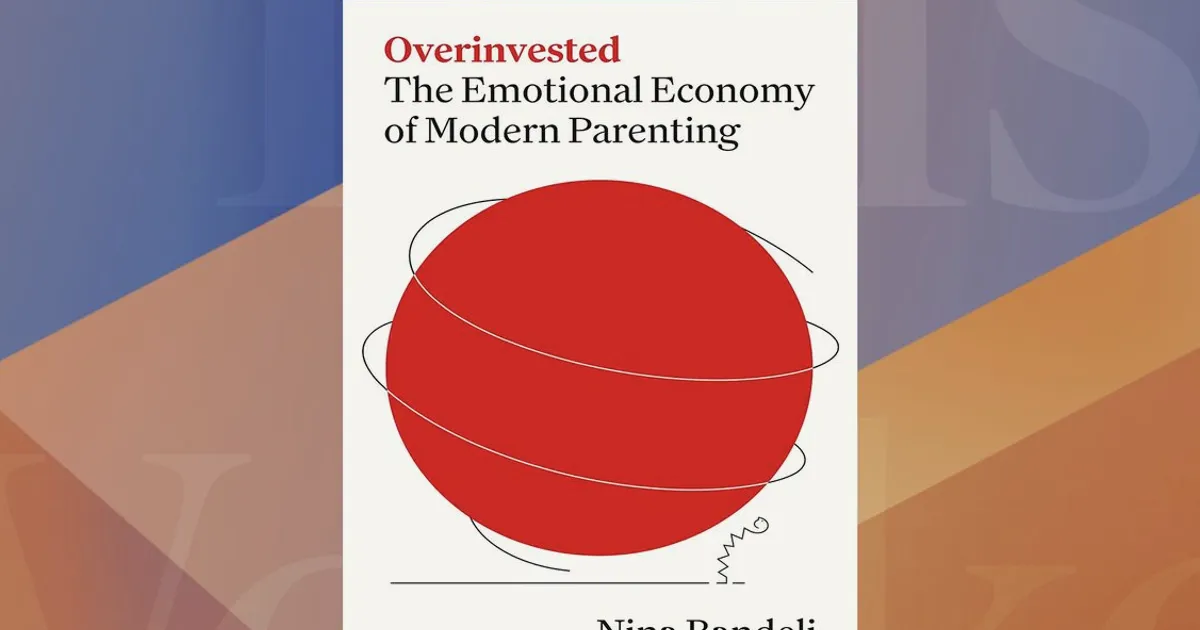
Modern parenting has taken on the characteristics of an investment strategy, according to sociologist Nina Bandelj, author of "Overinvested: The Emotional Economy of Modern Parenting." In a discussion on Bloomberg This Weekend, Bandelj explained that parents now approach child-rearing with a focus on returns, treating time, money, and emotional energy as resources to be optimized. This shift reflects broader societal trends toward hustle culture and hyperoptimization, where every activity is evaluated for its potential payoff.
For interest rates and central bank policy traders, this phenomenon offers a unique lens into consumer behavior and spending patterns. When parents invest heavily in education, extracurriculars, and health, it can influence household debt levels and savings rates, which in turn affect economic growth and inflation expectations. Central banks monitor such trends as they adjust policy rates to manage demand. Live rates prices on NowPrice show how the market is reacting in real time to shifts in consumer sentiment and spending data.
Looking ahead, traders should watch for data on consumer spending, particularly in education and childcare services, as well as household debt metrics. These indicators can provide clues about future inflation pressures and the trajectory of monetary policy. Bandelj's insights underscore the importance of understanding the emotional economy—how feelings of anxiety and aspiration drive financial decisions that ripple through the broader economy.