




US to Temporarily Lower Beef Import Tariffs, WSJ Reports
The Trump administration plans to temporarily cut beef import tariffs as soon as Monday to curb high domestic beef prices, according to the Wall Street Journal, a move that could pressure US cattle ranchers' margins and benefit meatpacking stocks.
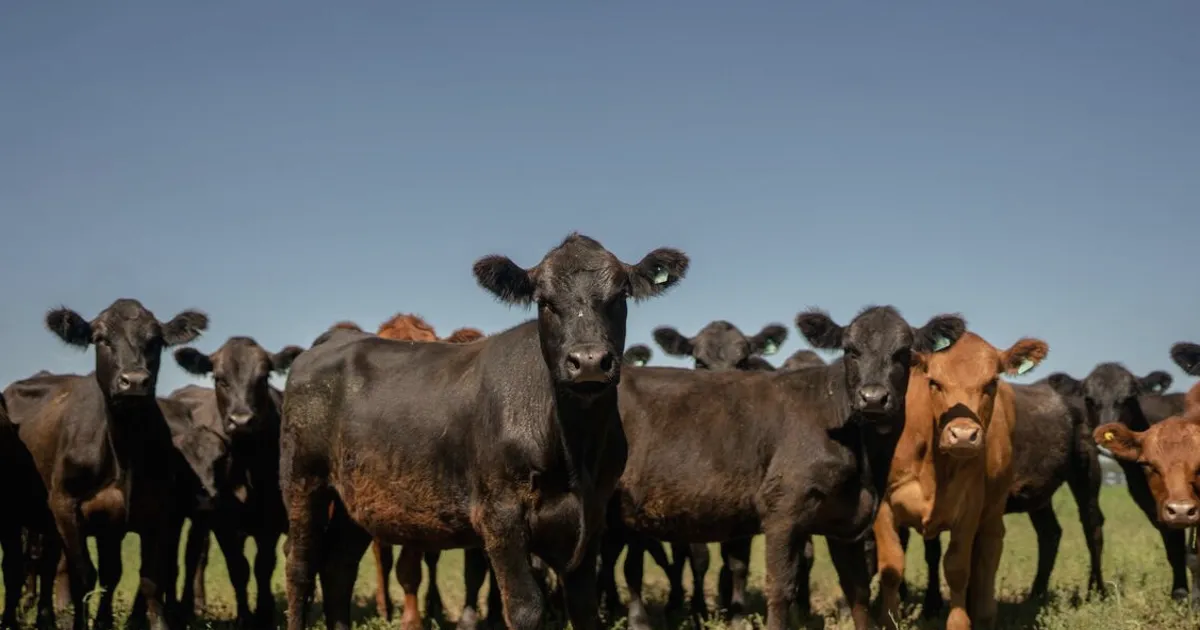
The Trump administration is planning to temporarily reduce tariffs on beef imports as soon as Monday in an effort to bring down high beef prices, according to the Wall Street Journal. The move aims to increase the supply of imported beef, which could help lower retail prices that have been elevated due to tight domestic supply and strong demand. Lower tariffs would make foreign beef cheaper for US importers, potentially increasing competition for domestic ranchers. This could pressure US cattle prices and margins for producers, while benefiting meatpacking and food processing companies that rely on imported beef. Traders can monitor real-time stock quotes for major US meatpackers and food retailers on NowPrice to gauge market reaction.
From a market perspective, this policy shift interacts with several widely-watched valuation and sentiment indicators. The earnings yield of the S&P 500 currently sits around 4.5%, while the 10-year Treasury yield is near 4.2%, leaving the equity risk premium thin by historical standards—a dynamic often referenced in the Fed model. Forward P/E multiples for the consumer staples sector, which includes meatpackers, have compressed to roughly 20x from 22x earlier this year, reflecting margin concerns. Breadth indicators show that only 55% of S&P 500 stocks are trading above their 50-day moving average, suggesting narrow leadership. Sector rotation has favored defensive groups like utilities and healthcare over cyclical consumer names, and the buyback yield for food producers has dipped to 2.8% as firms conserve cash. Options-implied volatility (VIX) remains elevated near 18, indicating uncertainty around trade policy outcomes.
Looking ahead, market participants will watch for the official announcement and the specific tariff reduction details, including the duration and scope. The impact on US cattle futures and beef prices will be key indicators. Additionally, any further trade policy shifts from the administration could influence agricultural commodity markets and related equities. Investors should also monitor the CME feeder cattle index and the spread between domestic and imported beef prices for signs of margin compression. A sustained tariff cut could weigh on the S&P 500 Food & Beverage index, which has already underperformed the broader market by 3% year-to-date.