




Goldman, BofA Delay Fed Cut Calls After Strong Jobs Data
Goldman Sachs and Bank of America have joined a growing list of Wall Street banks pushing back their forecasts for Federal Reserve interest-rate cuts, citing strong jobs and inflation data that support holding rates steady through year-end.
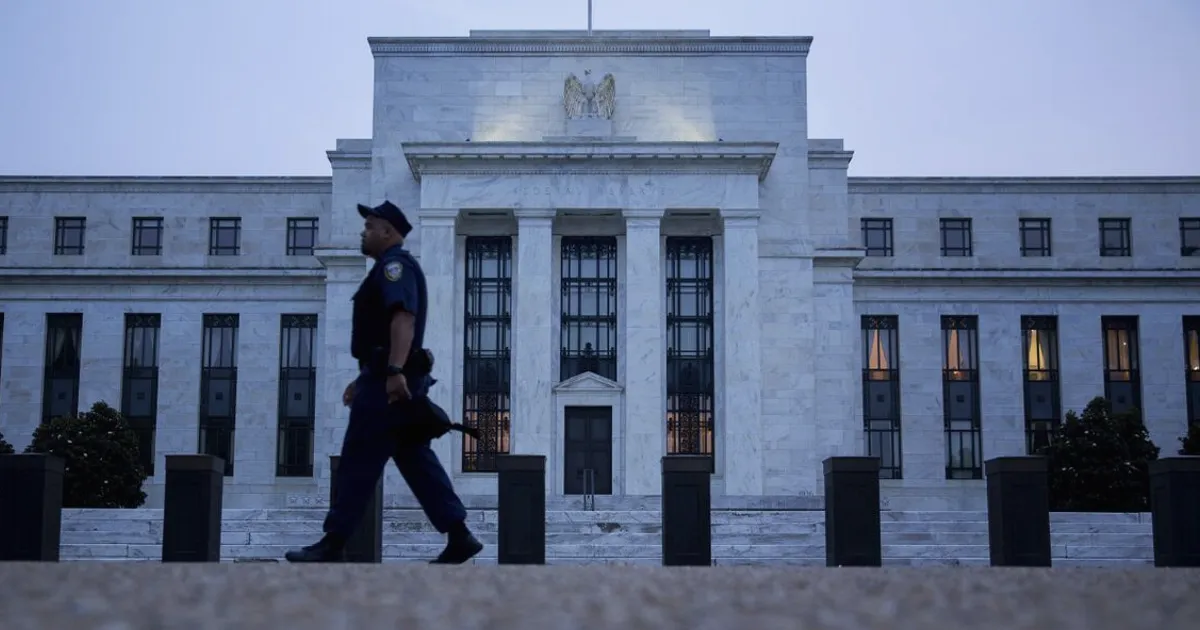
Goldman Sachs and Bank of America have become the latest major Wall Street banks to push back their forecasts for Federal Reserve interest-rate cuts, arguing that robust jobs and inflation data make a case for holding rates steady through at least the end of the year. The shift follows a string of stronger-than-expected economic reports, including the April nonfarm payrolls release, which Goldman described as the 'last straw' in delaying its call. The move aligns with a growing consensus among economists that the Fed's next move may be later than previously anticipated.
The recalibration by Goldman and BofA reflects a broader repricing in rate expectations that has rippled through equity markets. Higher-for-longer rates typically compress valuation multiples, particularly for growth and technology stocks that are more sensitive to discount rate changes. Traders tracking these shifts can monitor real-time price action on NowPrice's live stocks dashboard, which tracks sector-level moves as rate-sensitive groups like utilities and real estate adjust to the new outlook. The earnings yield on the S&P 500 has narrowed relative to the 10-year Treasury yield, a dynamic that historically signals caution for equity valuations.
Looking ahead, market participants will focus on upcoming inflation readings, including the April consumer price index due later this week, for further clues on the Fed's path. The CME FedWatch Tool now shows a diminished probability of a cut before December, with some analysts flagging the risk of no cuts at all in 2026. The next Federal Open Market Committee meeting in June will be closely watched for any shift in the dot-plot projections. Until then, the 'higher-for-longer' narrative is likely to remain a key driver of market sentiment.