




Aramco CEO warns oil market won't normalize in 2026 without Iran deal within weeks
Aramco's CEO stated that the oil market cannot return to normal this year unless the Iran conflict is resolved within weeks, as futures have surged 47% in 2026.
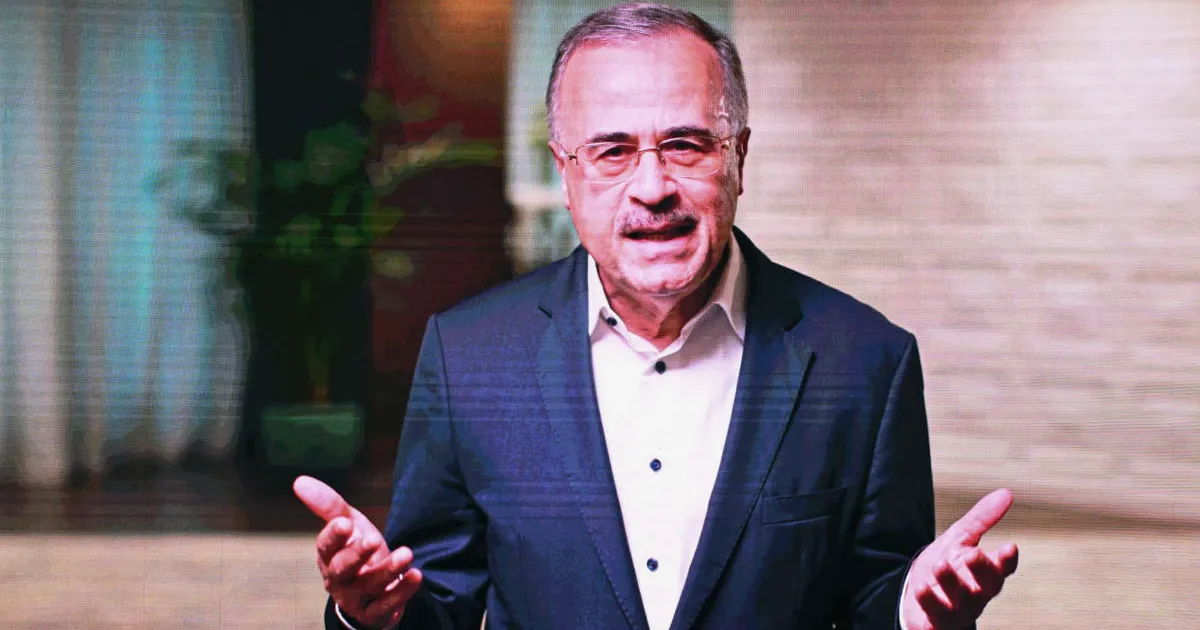
The CEO of Saudi Aramco warned that the global oil market will not return to normal this year unless the Iran conflict is resolved within weeks. The statement underscores the deep uncertainty gripping energy markets as geopolitical tensions persist. Aramco's chief executive, Amin Nasser, emphasized that the window for a diplomatic solution is narrow, and without it, the market will remain under severe strain. This comes as OPEC+ spare capacity, largely held by Saudi Arabia and the UAE, is estimated at around 3-4 million barrels per day, but even that buffer may not fully offset a potential disruption from Iran. The Brent-WTI spread has widened to over $5 per barrel, reflecting differing regional risks, while US Strategic Petroleum Reserve levels remain near 40-year lows after significant draws in 2022, limiting the ability to calm prices with emergency releases.
Oil futures for December delivery have surged 47% in 2026, reflecting traders' expectations that supply disruptions will continue. The Iran situation is a key driver, as any escalation could threaten shipments through the Strait of Hormuz, a critical chokepoint for about 20% of global oil supply. The crack spread—the profit margin from refining crude into products like gasoline and diesel—has also widened sharply, indicating tight product markets. For fuel traders, this means elevated volatility and a persistent risk premium. China's marginal demand, which has been tepid due to economic slowdown, could provide some offset if it weakens further, but for now, the market remains focused on supply risks. Saudi-Russia coordination within OPEC+ has been solid, but any divergence could add another layer of uncertainty. The futures curve has shifted into backwardation, signaling immediate tightness, though a move back to contango would suggest easing.
Looking ahead, traders should monitor diplomatic developments between Iran and Western powers, as well as OPEC+ production decisions. Any signs of a breakthrough could trigger a sharp selloff, while further escalation may push prices higher. Key data to watch include weekly US crude inventories and any changes in Saudi output levels. Additionally, the pace of Iran's nuclear enrichment and any new sanctions waivers will be critical. NowPrice's fuel page provides real-time pricing data to help navigate these conditions.