




Global Supply Shock Reignites Oil Exploration Boom
A historic oil and gas supply crunch is driving governments and industry to prioritize exploration investment, signaling a potential surge in upstream activity.
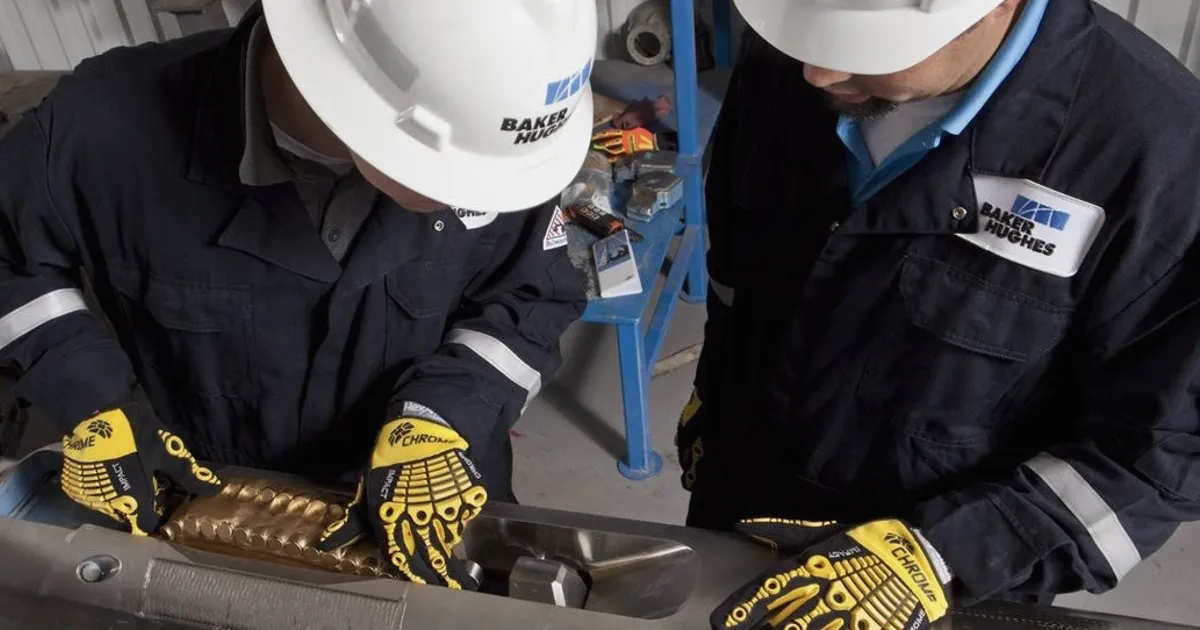
The world is facing the most serious oil and gas supply crunch in history, prompting governments and industry leaders to refocus on exploration as a key strategy for energy security. This shift marks a significant reversal from years of underinvestment in upstream projects, as the immediate need for incremental barrels becomes critical. OPEC+ spare capacity, which historically acted as a buffer, has been eroded by years of underinvestment and geopolitical constraints, with the group's effective spare capacity now estimated at around 3-4 million barrels per day, concentrated in Saudi Arabia and the UAE. Meanwhile, the US Strategic Petroleum Reserve (SPR) has been drawn down to its lowest level in decades, standing at roughly 375 million barrels as of early 2025, limiting the ability to respond to further disruptions. The Brent-WTI spread has widened to around $4-5 per barrel, reflecting differing regional dynamics, with WTI constrained by Permian takeaway capacity and Brent influenced by global seaborne flows.
For oil and gas traders, this exploration boom signals potential long-term changes in supply dynamics. Increased investment in new fields could eventually ease the current tightness, but the lead times for such projects mean that near-term prices may remain elevated. The Brent-WTI spread and crack spreads for refiners are likely to reflect these expectations, with backwardation potentially persisting as supply constraints dominate. Crack spreads, which measure refining margins, have been volatile, with gasoline cracks in the US averaging around $20-25 per barrel, supported by low inventories and strong demand. China's marginal demand, which accounts for roughly 60% of global oil demand growth, remains a key driver, with the country's crude imports hovering near record levels despite economic headwinds. Saudi-Russia coordination within OPEC+ continues to underpin production discipline, though tensions over quota compliance persist, with Iraq and Kazakhstan exceeding their targets. NowPrice's fuel page provides real-time pricing context for these movements.
Looking ahead, the key data points to watch include drilling rig counts, exploration budgets from major oil companies, and any policy announcements from OPEC+ regarding production targets. The pace of electrification and its impact on demand will also be crucial in determining whether this exploration boom translates into a sustainable supply response. Contango and backwardation structures in the futures curve will signal market expectations for near-term tightness versus future oversupply. If new discoveries come online faster than expected, the market could shift from backwardation to contango, pressuring prompt prices. Conversely, if demand remains robust and supply growth lags, backwardation may deepen, supporting higher prices for longer.