




Russian Oil Discounts Widen for First Time Since Iran War
Discounts on Russian crude widened for the first time since the Iran war began, as shifting expectations over a potential Middle East ceasefire rattled oil markets.
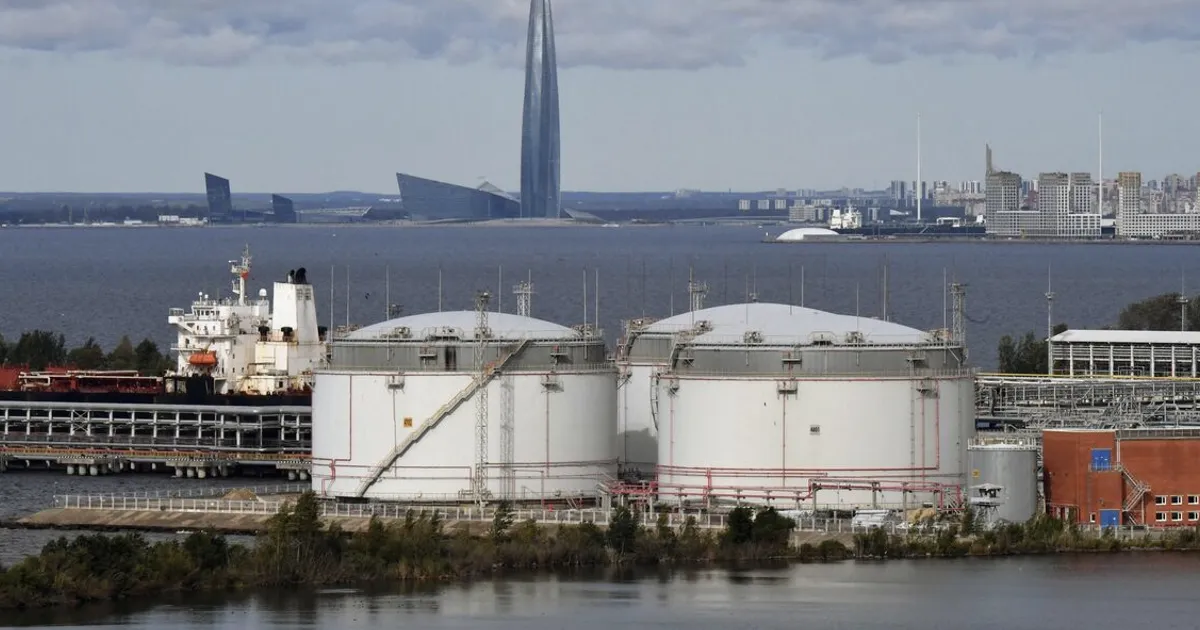
Discounts on Russia's flagship Urals crude widened for the first time since the start of the Iran war, as shifting expectations over a possible end to the Middle East conflict rattled oil markets. The move signals a change in the pricing dynamics of Russian oil relative to global benchmarks. Urals crude, typically priced at a discount to Brent due to its lower quality and sanctions, saw its discount expand as traders priced in a potential ceasefire. This marks a reversal from recent months when discounts had narrowed amid tight supply and strong demand for Russian barrels from India and China. The widening discount reflects a reassessment of supply risks in the Middle East. If a ceasefire materializes, the potential return of Iranian barrels to the market could increase global supply by up to 1.5 million barrels per day, putting downward pressure on prices. Russian crude, already subject to Western price caps and sanctions, becomes less competitive in a looser market. The Brent-WTI spread has also widened, reflecting differing regional dynamics, while US Strategic Petroleum Reserve levels remain near historic lows after last year's releases. Traders can track these price moves in real time on NowPrice's live fuel dashboard, which monitors key crude grades and spreads. Crack spreads, which measure refining margins, have weakened as gasoline demand softens, further pressuring crude prices. Looking ahead, traders will watch for any concrete ceasefire announcements or diplomatic breakthroughs. The spread between Urals and Brent will be a key indicator of Russian oil's market positioning. Additionally, OPEC+ production decisions, particularly Saudi-Russia coordination on output cuts, will influence supply. China's marginal demand, as the world's top crude importer, remains a wildcard amid its uneven economic recovery. Contango or backwardation in futures curves will signal market sentiment. If the discount persists, it could encourage more buying from price-sensitive refiners, but any tightening of sanctions or geopolitical tensions could reverse the trend.