




China Car Sales Slump Deepens as Gasoline Demand Craters
China's car sales slump deepens, signaling a sharp drop in gasoline demand that pressures global fuel markets and refinery margins.
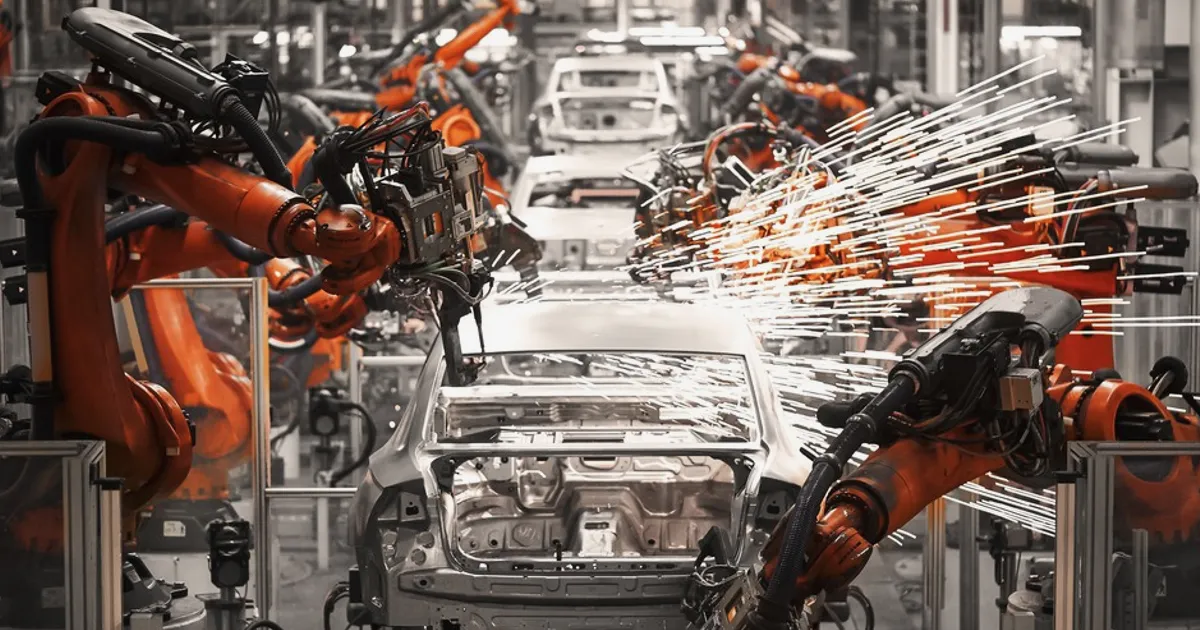
China's car sales have slumped further, deepening a trend that is now crushing gasoline demand in the world's largest auto market. The data points to a structural shift in fuel consumption as the economy slows and electric vehicle adoption accelerates. In November, passenger vehicle sales fell 4.1% year-on-year to 2.42 million units, marking the fourth consecutive monthly decline, according to the China Passenger Car Association. This has directly impacted gasoline demand, which dropped by 3.5% in October compared to the same period last year, the steepest decline since 2020. The shift is exacerbated by the rapid uptake of EVs, which now account for over 40% of new car sales in China, reducing the need for gasoline. For fuel traders, this is a bearish signal for gasoline demand, which has been a key driver of global oil demand growth in recent years. Refiners, particularly in Asia, face shrinking crack spreads as gasoline inventories build amid weakening consumption. The crack spread—the difference between crude oil and refined product prices—has narrowed to its lowest level in three months, squeezing refinery margins. Meanwhile, the Brent-WTI spread has widened to over $4 per barrel, reflecting differing regional dynamics, with US crude production remaining robust. China's marginal demand for crude has also softened, with imports falling 7% in October from a year earlier. Traders can monitor real-time gasoline price moves on NowPrice's live fuel dashboard to track the impact.
Looking ahead, traders should watch China's monthly vehicle sales data and refinery run rates for further confirmation of the demand trend. Any stimulus measures from Beijing aimed at boosting auto sales could provide a temporary floor, but the structural shift toward EVs suggests long-term gasoline demand may have peaked in China. The next OPEC+ meeting will also be key as the group assesses demand weakness, with Saudi Arabia and Russia coordinating to maintain output cuts. OPEC+ spare capacity remains high at over 5 million barrels per day, providing a cushion but also signaling potential oversupply if demand continues to falter. The US Strategic Petroleum Reserve (SPR) stands at 375 million barrels, near its lowest level in 40 years, limiting the government's ability to intervene in the market. Contango in the crude futures curve has steepened, indicating expectations of oversupply, while backwardation in gasoline futures suggests near-term weakness. Traders should also monitor the impact of China's economic stimulus measures, such as subsidies for trade-in vehicle purchases, which could temporarily boost sales. However, the long-term trend toward electrification and slower economic growth suggests that gasoline demand in China may have already peaked, with implications for global oil markets and refinery economics.