




Mitsubishi Heavy Sees Global Gas Turbine Demand Staying Strong
Mitsubishi Heavy Industries forecasts global gas turbine orders will dip slightly in 2026 from 2025 levels but remain elevated, driven by data center expansion for AI and cloud computing.
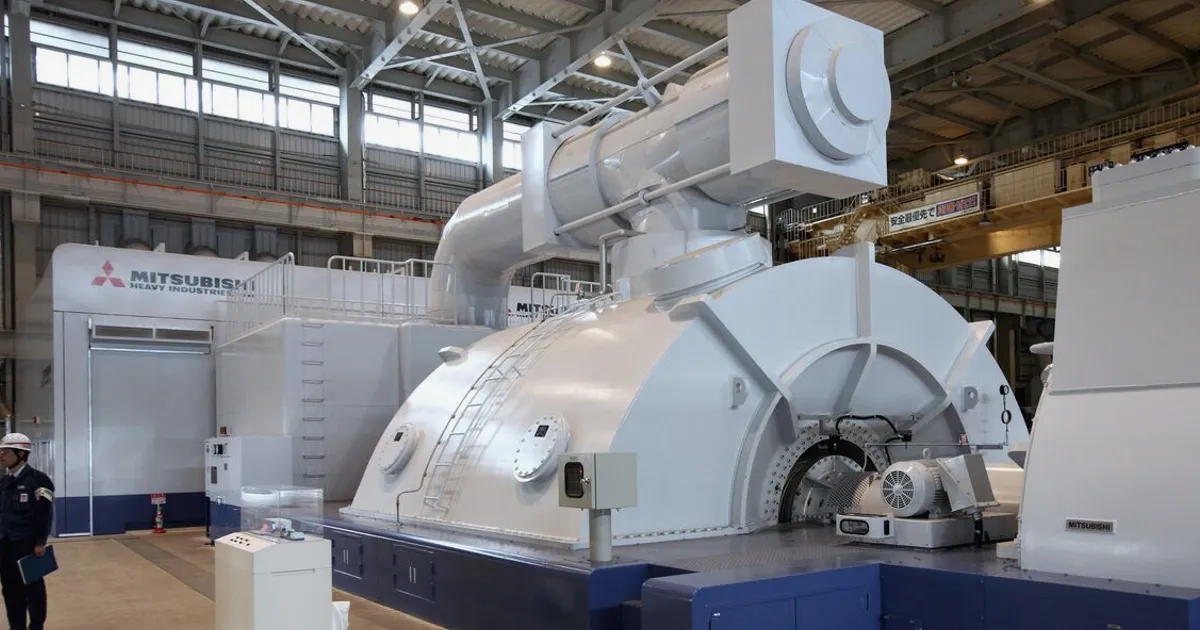
Mitsubishi Heavy Industries Ltd., a major manufacturer of gas turbines used in power plants, said global orders for the equipment will decline slightly in 2026 from 2025 levels but remain strong due to the build-out of data centers. The company's outlook underscores the sustained demand for natural gas-fired power generation, even as renewable energy capacity expands. Gas turbines are critical for balancing grids with intermittent renewables, and their long lead times make order books a key forward indicator for gas demand.
For energy commodities traders, the continued strength in gas turbine orders signals robust long-term demand for natural gas, particularly from the power sector. Data centers, which require reliable and constant electricity, are increasingly turning to gas-fired plants to complement intermittent renewables. This trend supports natural gas prices and could tighten supply-demand balances in key markets like the US and Asia, where LNG imports are already under pressure from competing demand. The crack spread—the margin between gas input and electricity output—benefits when gas-fired generation remains competitive against coal and renewables. Live fuel prices and charts on NowPrice show how the market is reacting to these structural demand drivers, with the Brent-WTI spread reflecting regional differentials in gas reliance.
Looking ahead, traders should monitor data center construction announcements and regional power generation mix shifts. Any slowdown in AI-related investment or a faster-than-expected build-out of battery storage could alter the outlook. Additionally, OPEC+ spare capacity and Saudi-Russia coordination on oil output indirectly affect gas prices via fuel-switching dynamics, while US SPR levels and China's marginal demand for LNG add further layers. Contango or backwardation in gas futures will signal market tightness. However, for now, the gas turbine order book suggests that natural gas will remain a critical part of the energy transition for years to come.