




Asian Currencies Slide as Crude Jumps on Middle East Standoff
Emerging Asian currencies fell, led by the Korean won and Thai baht, as crude oil prices surged amid stalled Middle East peace talks, heightening risk aversion and inflationary pressure.
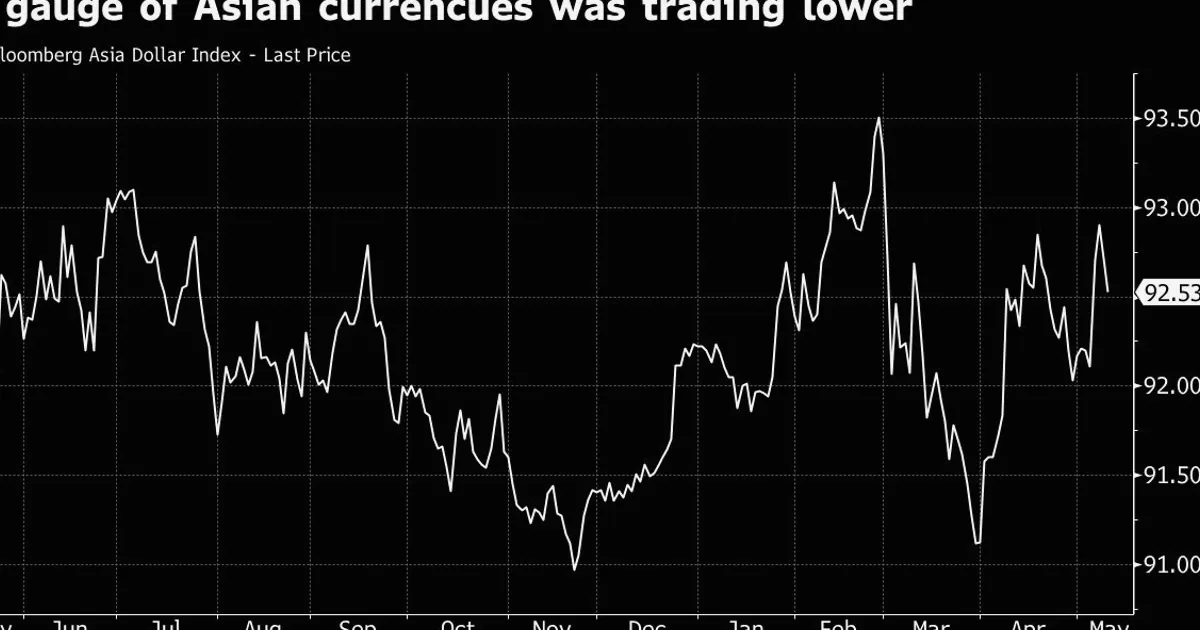
Emerging Asian currencies weakened broadly on Monday, with the Korean won and Thai baht leading the decline, as crude oil prices jumped on a stalemate in Middle East peace talks that have dragged on for 10 weeks. The standoff between the US and Iran has kept geopolitical risk elevated, pushing investors toward safe-haven assets and away from risk-sensitive emerging market currencies.
For fuel traders, the surge in crude oil directly impacts import costs for Asian economies that rely heavily on energy imports, such as South Korea and Thailand. Higher oil prices widen current account deficits and fuel inflation, which can force central banks to tighten monetary policy sooner than expected. This dynamic weighs on local currencies and can reduce demand for fuel as economic activity slows. Traders can check NowPrice's fuel page for real-time crude and refined product prices to gauge the immediate impact on their portfolios.
Looking ahead, markets will focus on any developments in US-Iran negotiations, as a breakthrough could quickly reverse crude's gains and support Asian currencies. Key data releases this week include US inflation figures and Chinese industrial production, which will provide further clues on global demand and central bank policy paths. Traders should also monitor OPEC+ signals on supply adjustments, as the group's response to higher prices could amplify or dampen the current move.