




US to Release New Data on Hormuz Chokepoint and Global Oil Reserves
The US energy statistics agency will begin publishing new data on strategic petroleum reserves and flows through the Strait of Hormuz, a critical chokepoint for global oil shipments.
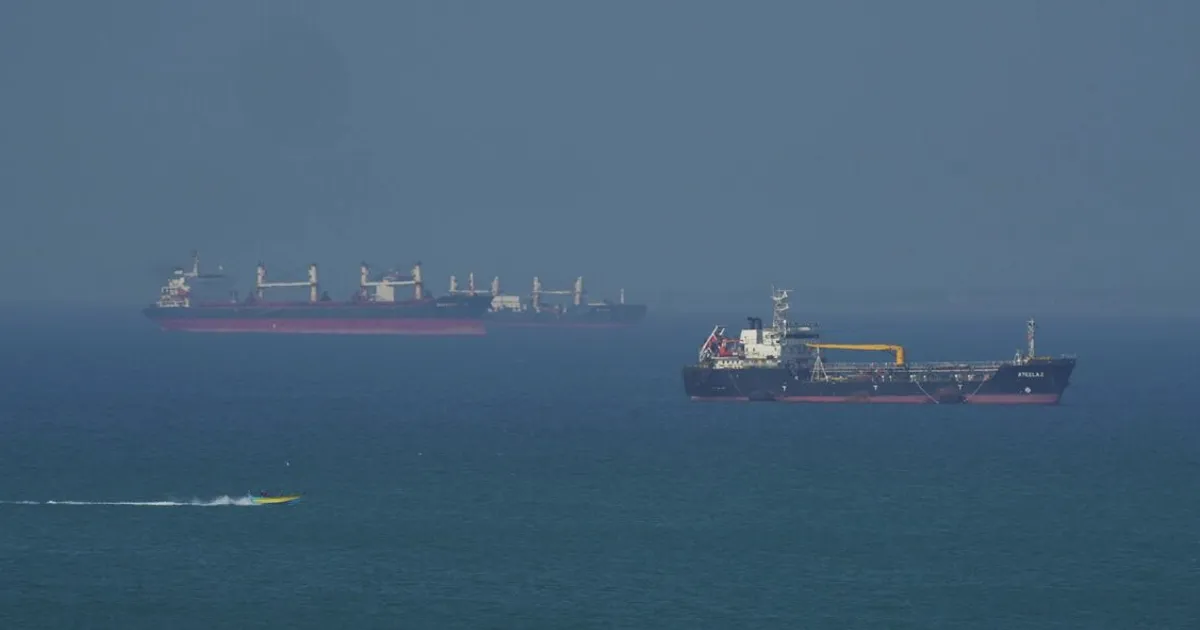
The US government's energy statistics agency will start releasing new data on the world's strategic reserves and flows of petroleum and liquefied natural gas through shipping chokepoints, with a spotlight on the Strait of Hormuz.
The new data series, to be published by the Energy Information Administration (EIA), will provide unprecedented transparency on the volume of oil and LNG transiting the Strait of Hormuz, a narrow waterway between Iran and Oman through which about 20% of the world's petroleum passes. The reports will also cover global strategic petroleum reserves, offering traders a clearer picture of emergency stockpiles that can influence supply expectations. For fuel markets, this data is crucial because any disruption at Hormuz—due to geopolitical tensions or accidents—can instantly spike crude prices. Traders can monitor these flows in real time using NowPrice's live fuel dashboard to anticipate price moves.
Market participants will watch the initial release closely for baseline figures that could set new benchmarks for supply risk assessment. The data may also affect the pricing of tanker rates and insurance premiums for vessels transiting the region. Going forward, weekly updates will allow traders to gauge the severity of any future chokepoint disruptions and adjust positions accordingly. The EIA's move reflects growing demand for granular data in an era of heightened geopolitical risk to energy supply chains.