




US Power Grid PJM May Be Too Big to Function, Regulator Warns
FERC Chair Laura Swett warned that PJM Interconnection, the largest US power grid, may have become too large to function properly and requires urgent reform.
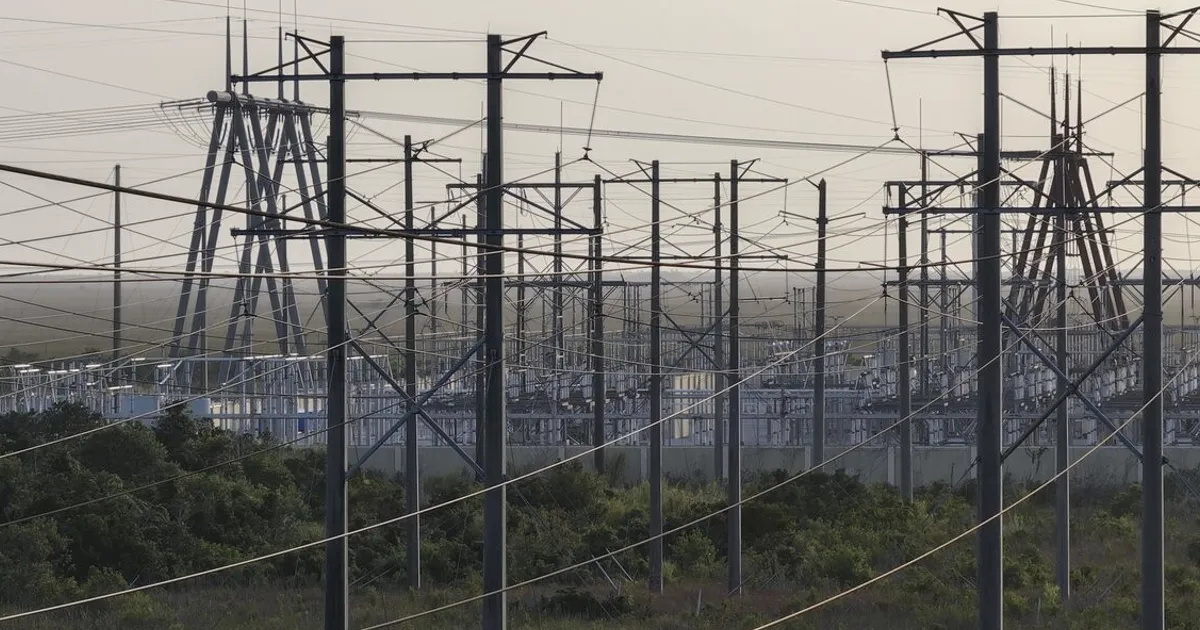
Federal Energy Regulatory Commission Chair Laura Swett said PJM Interconnection LLC, the biggest power grid in the US, may have become too large to function adequately and needs urgent reform. Speaking at the grid operator's annual meeting, Swett highlighted structural challenges that could undermine reliability and efficiency. PJM coordinates electricity supply across 13 states and the District of Columbia, covering roughly 65 million people. The grid's sheer size and complexity have raised concerns about its ability to manage congestion and maintain stability, especially as power flows become more unpredictable with the integration of renewables and distributed generation.
The warning from the top US energy regulator signals potential disruptions for energy commodity traders who rely on PJM's market for power price signals and congestion patterns. PJM is a critical benchmark for fuel demand, particularly natural gas used for power generation, as gas-fired plants often set the marginal price in the region. Any reform or restructuring could alter regional price spreads, affecting hedging strategies for utilities and traders. For instance, changes to capacity market rules or transmission pricing could shift the cost of delivering power, influencing the spark spread—the difference between electricity prices and natural gas costs. Traders can monitor real-time price moves on NowPrice's live fuel dashboard to stay ahead of market shifts. The situation also comes amid a period of rising electricity demand from data centers, electric vehicles, and industrial electrification, which is straining grid resources nationwide.
Market participants should watch for FERC's next steps, including potential rulemakings or directives to PJM. The grid operator's capacity auction results and any changes to market design will be key indicators of how reform unfolds. PJM's next base residual auction, scheduled for 2025, will be closely watched for signs of tightening supply or price spikes. Additionally, FERC may push for greater coordination among regional transmission organizations or impose stricter reliability standards. The broader context includes a national debate over grid resilience, with the US Energy Information Administration reporting that natural gas-fired generation accounted for about 43% of US electricity in 2024. Any disruption to PJM's operations could ripple through fuel markets, affecting natural gas storage levels and pipeline flows. Traders should also consider the impact of potential reforms on the Brent-WTI spread and global LNG trade, as US gas exports are increasingly tied to power sector demand.