




Nigeria Turns to Chinese Firms After $25B Refinery Overhaul Failures
Nigeria's NNPC signs a deal with Chinese firms to complete and operate the Port Harcourt and Warri refineries after spending $25 billion on failed overhauls.
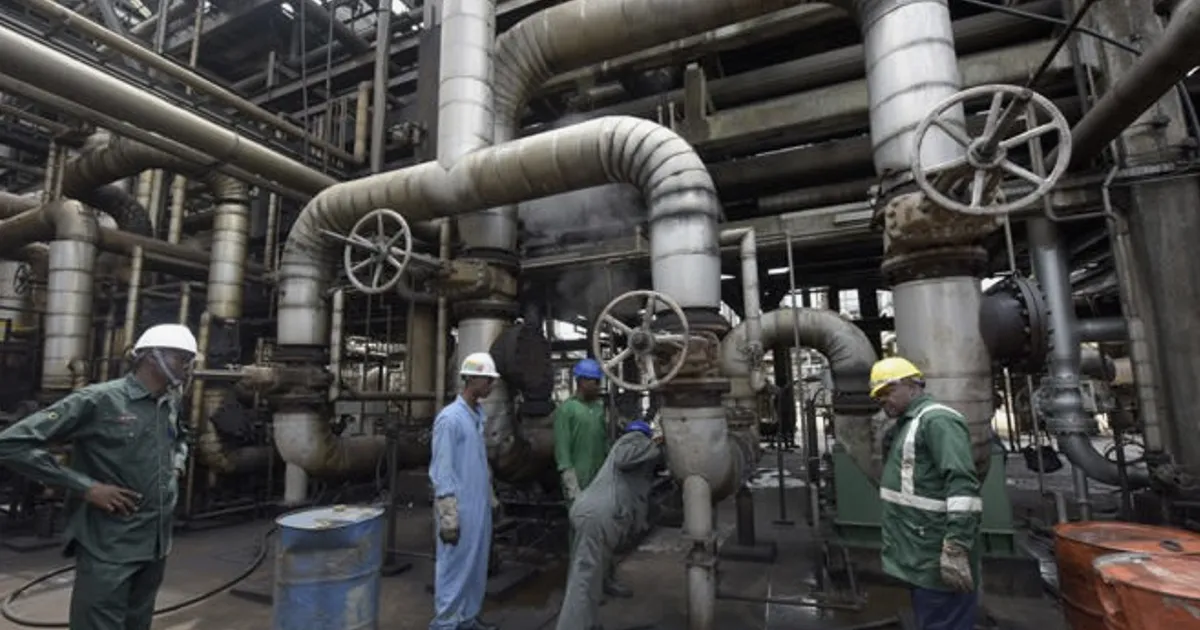
Nigeria's state-owned oil company, the Nigerian National Petroleum Company Limited (NNPC), has signed a Memorandum of Understanding (MoU) with two Chinese firms to revive its long-dormant refineries. The agreement with Sanjiang Chemical Company Limited and Xinganchen (Fuzhou) Industrial Park Operation and Management Co. Ltd covers the completion, operation, and maintenance of the Port Harcourt (210,000 barrels per day) and Warri (125,000 bpd) refineries. This move comes after Nigeria spent an estimated $25 billion on previous overhaul attempts that failed to restore domestic refining capacity.
For fuel traders, this development signals a potential shift in Nigeria's role from a net importer of refined products to a self-sufficient refiner. Nigeria, Africa's largest oil producer, has historically exported crude and imported gasoline due to its dysfunctional refineries. If the Chinese-backed revival succeeds, it could reduce global gasoline supply tightness, particularly for West African and European markets that currently absorb Nigerian crude. However, given the track record of failed overhauls, skepticism remains high. Traders should monitor progress closely, as any tangible increase in domestic refining capacity could pressure regional product spreads. For real-time pricing on refined fuels, check NowPrice's fuel page.
Looking ahead, the key milestones will be the timeline for completion and the quality of the Chinese partners' execution. The MoU is non-binding, and financial terms have not been disclosed. If the project advances, it could also impact Nigeria's crude export volumes, as more oil would be refined domestically. Traders should watch for concrete construction milestones and any updates on the financing structure. The success of this initiative could serve as a template for other African nations struggling with refinery underperformance.