




Oil Tankers Go Dark to Exit the Strait of Hormuz
Three supertankers carrying Iraqi and Emirati crude switched off transponders to exit the Strait of Hormuz undetected, highlighting ongoing regional risks for oil transit.
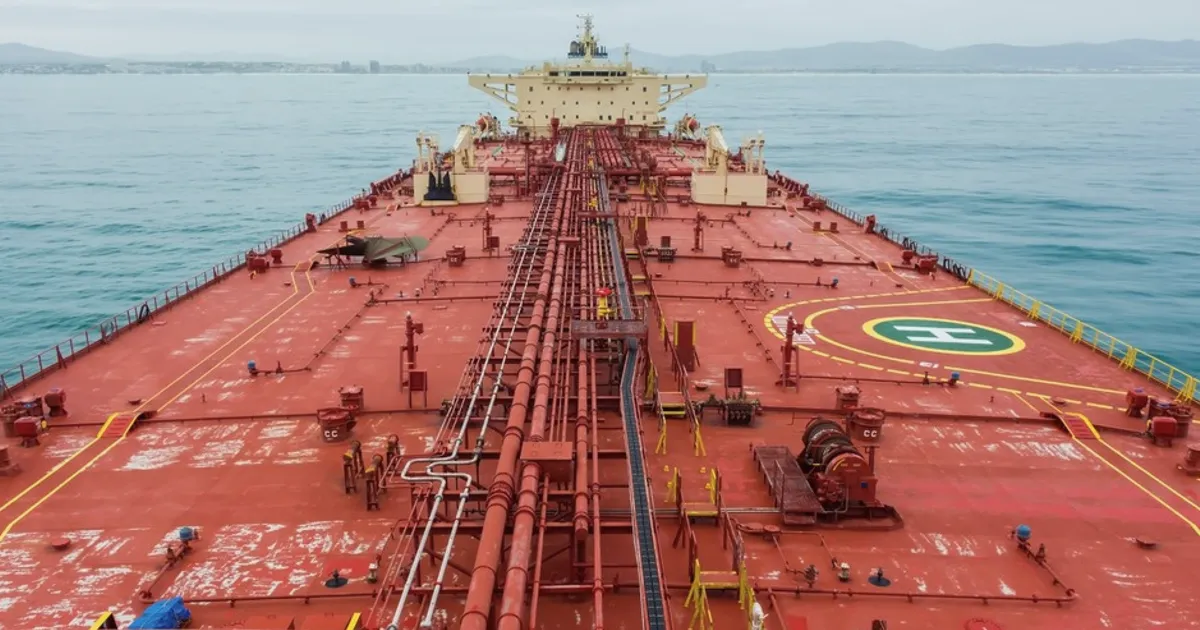
Three supertankers laden with crude oil successfully exited the Strait of Hormuz last week by switching off their transponders to avoid detection, according to data from Kpler and LSEG reported by Reuters. The vessels carried Iraqi Basrah Medium and Emirati Upper Zakum crude, with one tanker heading toward Vietnam after two prior failed attempts. This tactic, known as 'going dark,' obscures vessel positions and cargo origins, complicating the tracking of global oil flows through a waterway that handles roughly 20 million barrels per day (bpd) of crude and products—about 20% of global consumption. The deliberate disabling of transponders highlights the extreme measures some shippers are taking to navigate heightened geopolitical risks in the region.
For oil and energy commodity traders, the Strait of Hormuz is a critical chokepoint where any disruption can ripple through global markets. The deliberate disabling of tracking systems suggests heightened security concerns or attempts to evade monitoring amid regional tensions. Such actions can disrupt supply chain visibility and increase insurance and freight costs, potentially feeding into crude price volatility. The Brent-WTI spread may widen as traders price in a risk premium for Middle East crude, while US Strategic Petroleum Reserve (SPR) levels—currently near 370 million barrels—could be drawn down if supply tightens. Additionally, crack spreads (the margin between crude and refined products) may spike if refineries face crude shortages. Traders should monitor NowPrice's fuel page for real-time pricing as these developments unfold.
Market participants will watch for further tanker movements through the strait and any official statements from regional authorities. The success of these transits may encourage similar tactics, while any escalation could prompt broader supply disruptions. Key data to follow include weekly US crude inventories and OPEC+ production figures for May. Traders should also track OPEC+ spare capacity (estimated at 4-5 million bpd, mostly in Saudi Arabia and the UAE), which could be deployed to offset any supply losses. The contango or backwardation structure of the futures curve will signal market tightness, while China's marginal demand—as the world's top crude importer—remains a key variable. Any coordinated response from Saudi Arabia and Russia, the de facto leaders of OPEC+, could stabilize prices or exacerbate volatility depending on their production decisions.