




Qatar Asks Ships to Go Dark at LNG Port in New Safety Measure
Qatar has asked vessels at its main LNG export facility to disable transponders, a move that could disrupt shipping transparency and raise security concerns for global gas flows.
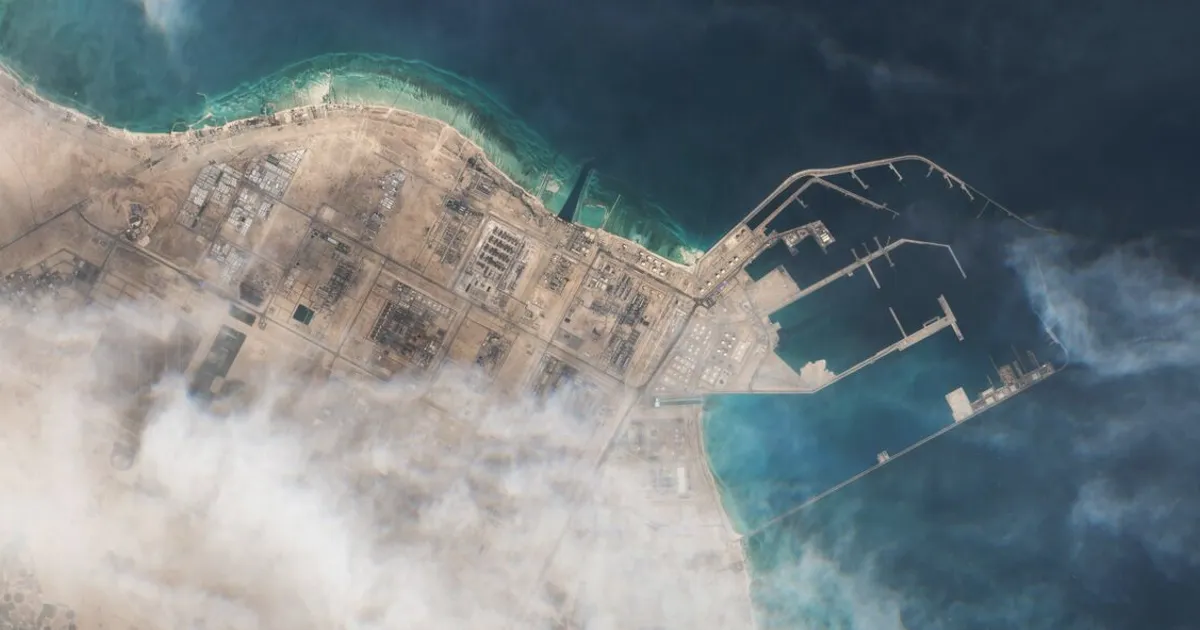
Qatar has asked vessels at its main liquefied natural gas export facility to turn off their transponders, according to people familiar with the matter. The request applies to ships calling at Ras Laffan, the world's largest LNG export terminal, and is described as a new safety measure.
The move introduces a layer of opacity into LNG shipping that traders and analysts will need to monitor closely. Transponders, which broadcast a vessel's identity, position, and speed, are critical for tracking cargo flows and estimating supply availability. When ships go dark, it becomes harder to verify loading schedules, detect diversions, or assess congestion at the terminal. For fuel markets, this could mean reduced visibility on Qatari LNG exports, which account for roughly a fifth of global LNG trade. Traders can follow real-time price moves and supply data on NowPrice's live fuel dashboard to stay ahead of any disruptions.
Market participants will watch for any impact on spot LNG prices, particularly in Asia and Europe, where Qatari cargoes are a key supply source. The duration and enforcement of the measure will be crucial — if it becomes routine, it may force changes in how shipping data is interpreted. Traders should also monitor any official clarification from QatarEnergy or Ras Laffan authorities regarding the scope and rationale of the request.