




Russia Oil Flows Slide as Drone, Storm Alerts Disrupt Key Port
Only one Russian crude cargo was loaded at Novorossiysk last week as drone and storm alerts disrupted operations, tightening global supply.
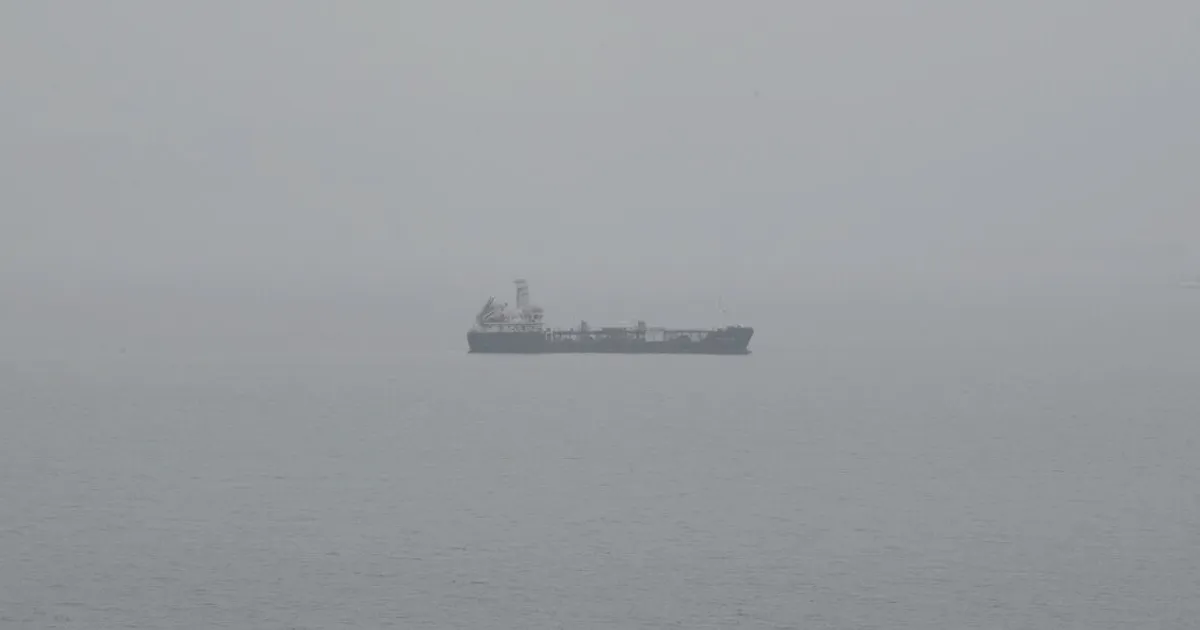
Russia's oil exports from its key Black Sea port of Novorossiysk slumped last week, with only one crude cargo loaded as drone and storm alerts disrupted operations. The disruption adds to supply concerns in a market already sensitive to geopolitical risks and weather-related outages. Novorossiysk typically handles around 1.5 million barrels per day of crude, primarily medium-sour grades like Urals, and the sharp drop in loadings reflects the compounding effect of Ukrainian drone threats and severe weather, which have forced periodic suspensions of ship traffic. This comes as Russia's overall seaborne exports have already been under pressure from Western sanctions and voluntary production cuts coordinated with OPEC+, where Moscow has pledged to reduce output by 500,000 barrels per day through year-end.
For energy traders, the reduced flows from Novorossiysk tighten the supply of medium-sour crude grades, which are crucial for European and Asian refiners. The port handles a significant portion of Russia's seaborne crude exports, and any prolonged disruption could widen the Brent-Dubai spread and support Urals differentials. The impact is amplified by the current backwardation in the Brent futures curve, which signals near-term tightness, and by the fact that OPEC+ spare capacity—largely held by Saudi Arabia and the UAE—remains a theoretical buffer but is not immediately accessible due to political and logistical constraints. Meanwhile, US Strategic Petroleum Reserve levels are near 40-year lows, limiting the ability to release emergency stocks. Live fuel prices and charts on NowPrice show how the market is reacting to the supply squeeze, with crude benchmarks edging higher as traders assess the impact. The crack spread for diesel, which has been elevated due to refinery maintenance and low inventories, could widen further if Urals supply remains constrained, as European refiners rely on similar medium-sour grades.
Traders should watch for further drone activity and weather forecasts in the Black Sea region, as well as any official statements from Russian authorities on port operations. The next weekly export data will be key to gauge whether the disruption is temporary or part of a broader trend. Additionally, OPEC+ supply decisions and demand signals from China will influence how much of this supply gap is priced in. China's crude imports have been volatile, with recent data showing a dip in May as refineries cut runs due to weak margins, but any rebound in Chinese demand could exacerbate the tightness. The contango structure in the Dubai market, which has flattened recently, may flip to backwardation if Russian supply disruptions persist. Saudi-Russia coordination remains critical, as any unilateral increase in Saudi output to compensate for Russian losses could strain the OPEC+ alliance. Finally, the Brent-WTI spread, currently narrow, could widen if US crude exports rise to fill the gap left by Russian barrels.