




Qatar LNG Tanker Exits Hormuz via Pakistan's Geopolitical Leverage
A Qatar LNG tanker secured rare passage through the Strait of Hormuz using Pakistani geopolitical influence, highlighting the strategic value of diplomatic ties in energy security.
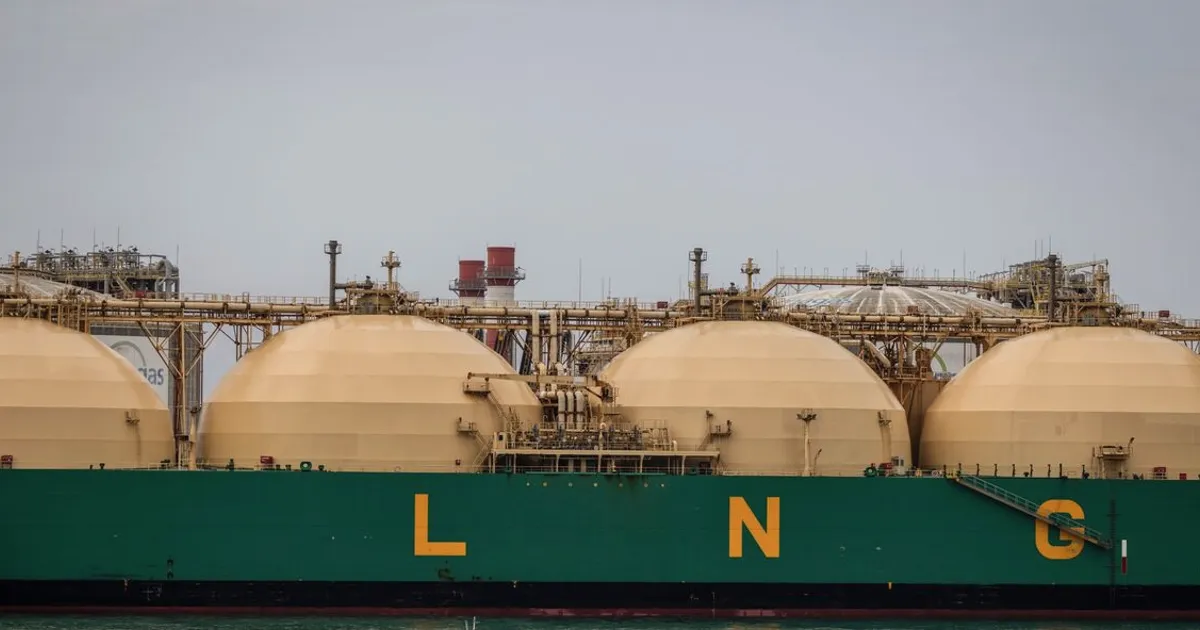
A Qatar LNG tanker has secured rare passage through the Strait of Hormuz, leveraging Pakistani geopolitical influence to bypass heightened regional tensions. The development underscores how diplomatic relationships can unlock critical energy supplies in a volatile region. The tanker, carrying liquefied natural gas from Qatar, was granted an exception to transit the strategic waterway amid ongoing risks from Iran-related shipping restrictions. Pakistan's intervention highlights its growing role as a mediator and energy broker in South Asia. For oil and gas traders, the event demonstrates that geopolitical clout can temporarily override supply constraints, but such exceptions remain rare and unpredictable. The broader risk of Hormuz disruptions continues to underpin risk premiums in LNG and crude markets, with the Brent-WTI spread widening on supply concerns. Check NowPrice's fuel page for real-time pricing on LNG and crude benchmarks.
This incident matters because the Strait of Hormuz is a critical chokepoint for global energy flows, with about 20% of the world's oil and LNG passing through it. Any disruption can trigger sharp price spikes, as seen during past tensions when the US Strategic Petroleum Reserve (SPR) was tapped to stabilize markets. The crack spread—the difference between crude oil and refined product prices—has also been volatile, reflecting refining margins sensitive to feedstock costs. For Pakistan, securing this exception reduces its exposure to spot LNG prices, which have been elevated due to competition from Asian buyers and limited spare capacity in the global LNG market. The country's growing gas import needs, driven by power generation and industrial demand, make it a key player in the region's energy dynamics. Meanwhile, OPEC+ spare capacity remains concentrated in Saudi Arabia and the UAE, but their ability to offset a full Hormuz closure is limited, as most of their output also transits the strait.
Traders should monitor whether similar exceptions emerge for other nations, as this could signal a shift in regional diplomacy. Key data to watch include Qatar's LNG export volumes, Pakistan's gas import needs, and any official statements from Iran regarding maritime security. The incident also highlights the importance of alternative routes and spare capacity in the global LNG market. In the crude market, the contango structure has flattened as prompt supply risks rise, while backwardation may deepen if tensions escalate. China's marginal demand for LNG, driven by its coal-to-gas switching policy, could amplify price moves if Hormuz disruptions persist. Saudi-Russia coordination within OPEC+ will also be crucial, as both producers have the ability to adjust output to compensate for lost supply, though their willingness to do so depends on market share considerations. Finally, the US SPR level, currently near a 40-year low, limits the ability to release emergency stocks, making the market more vulnerable to supply shocks.