




Global Central Banks Tap Most Yuan Swap Lines With PBOC in Two Years
Global central banks' use of the People's Bank of China's yuan swap lines hit a two-year high in Q1 2026, signaling growing international demand for the Chinese currency and potential implications for global liquidity and FX reserves.
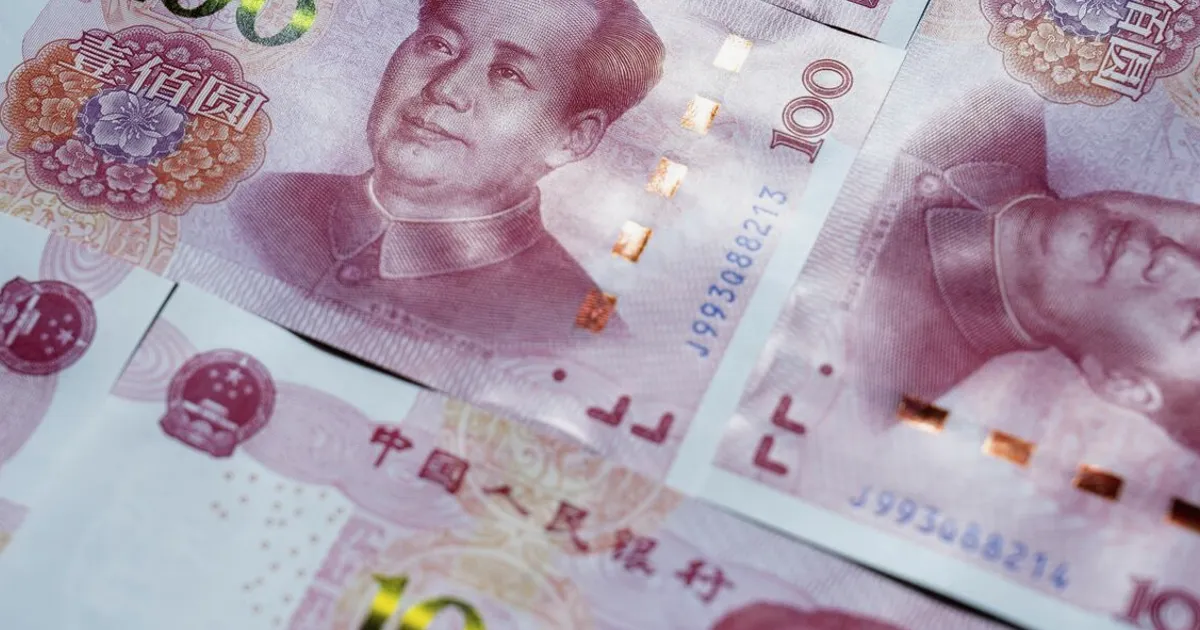
Global central banks' utilization of the People's Bank of China's (PBOC) yuan swap lines surged to a two-year high in the first quarter of 2026, according to data from the Chinese central bank. The increase underscores a rising international appetite for the Chinese currency as an alternative to traditional reserve currencies like the US dollar and euro.
The spike in swap line usage reflects broader trends in global reserve diversification and liquidity management. Central banks, particularly in emerging markets, are increasingly turning to the yuan to stabilize their foreign exchange reserves and facilitate trade settlements with China. This development also highlights the PBOC's growing role in providing emergency liquidity through bilateral swap agreements, which can help alleviate dollar funding strains during periods of market stress. For rates traders, the increased demand for yuan swaps may signal a gradual shift in global currency dynamics, potentially affecting cross-currency basis swaps and implied yields on Chinese government bonds. NowPrice's real-time rates quotes show the latest levels on yuan-denominated instruments for traders monitoring these flows.
Looking ahead, market participants will watch for further expansion of the PBOC's swap network and any changes in the composition of global central bank reserves. Key data points include upcoming trade balance figures from China and any policy signals from the PBOC regarding yuan convertibility. The trajectory of yuan internationalization will remain a focal point for investors assessing long-term shifts in the global monetary system.