




Morgan Stanley Economist Sees US Inflation Peaking in May or June
Morgan Stanley's chief US economist expects inflation to peak in May or June, keeping the Federal Reserve on hold for the rest of the year.
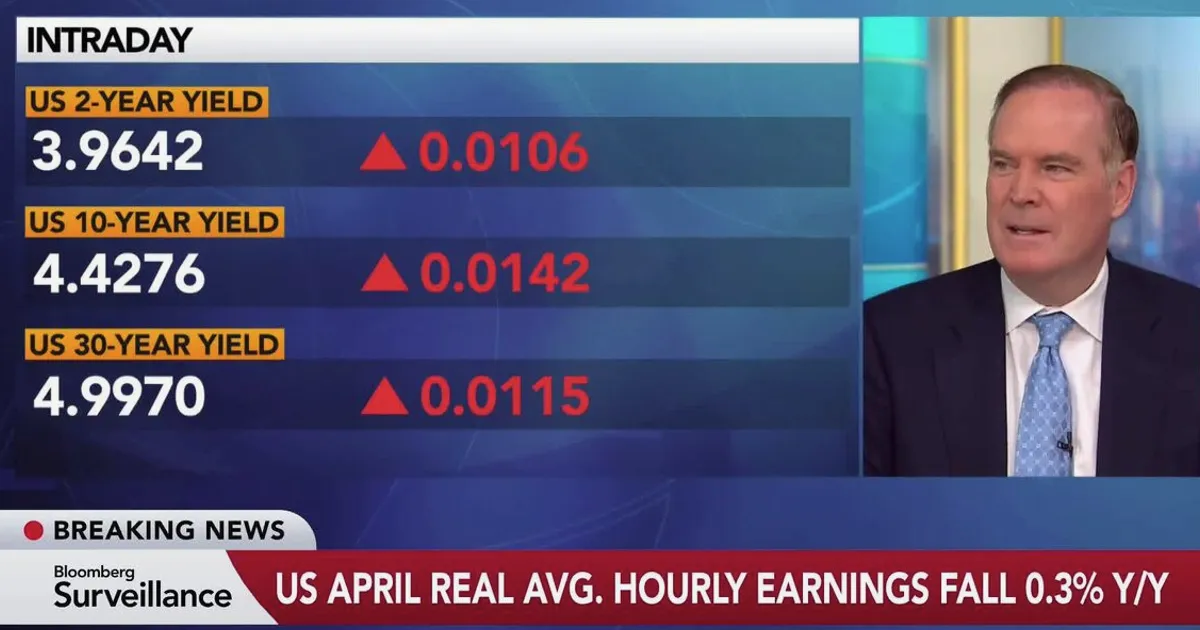
Morgan Stanley's chief US economist, Seth Carpenter, said inflation is likely to peak in May or June, a view that suggests the Federal Reserve will stay on hold for the remainder of 2026. Speaking on Bloomberg Surveillance, Carpenter noted that the latest CPI report reinforces the central bank's cautious stance, with price pressures expected to ease in the second half of the year. The Fed's dual mandate—price stability and maximum employment—remains in focus, and a peak in inflation could allow policymakers to shift attention to labor market conditions. However, the path of inflation remains uncertain, and any upside surprises could reignite hawkish bets. Traders can monitor real-time rate expectations on NowPrice's rates page to gauge market pricing of Fed moves.
For interest rate traders, the prospect of a near-term inflation peak reduces the urgency for further rate hikes, but also delays any potential cuts. The yield curve has been inverted for months, reflecting market expectations of a slowdown, and a peak in inflation could steepen the curve as term premiums adjust. The Fed's balance sheet runoff continues to drain reserves, putting upward pressure on short-term rates via swap spreads. The ECB's Transmission Protection Instrument (TPI) provides a backstop for European spreads, but US markets remain driven by domestic data. If inflation indeed peaks, the Fed's next move could be a rate cut in early 2027, but the timing will depend on the pace of disinflation and economic growth. The term-premium decomposition suggests that investors are demanding higher compensation for holding long-dated bonds amid fiscal uncertainty, which could complicate the Fed's path.
Looking ahead, markets will watch upcoming CPI and PCE releases for confirmation of the peak. Key levels include the May CPI print due in June and the June employment report. A sustained decline in core inflation would validate Carpenter's view, while a rebound could force the Fed to resume hiking. The swap spread market will be closely monitored for signs of funding stress, as the Fed's quantitative tightening reduces excess liquidity. Any deterioration in the labor market could accelerate the timeline for rate cuts, but for now, the base case is a prolonged pause. Traders should stay alert to Fed speeches and minutes for clues on the committee's reaction function.