




Iran Seizes Tanker Carrying Its Own Oil in Gulf of Oman
Iran has seized a tanker carrying its own oil in the Gulf of Oman, highlighting the tangled nature of its export system under sanctions.
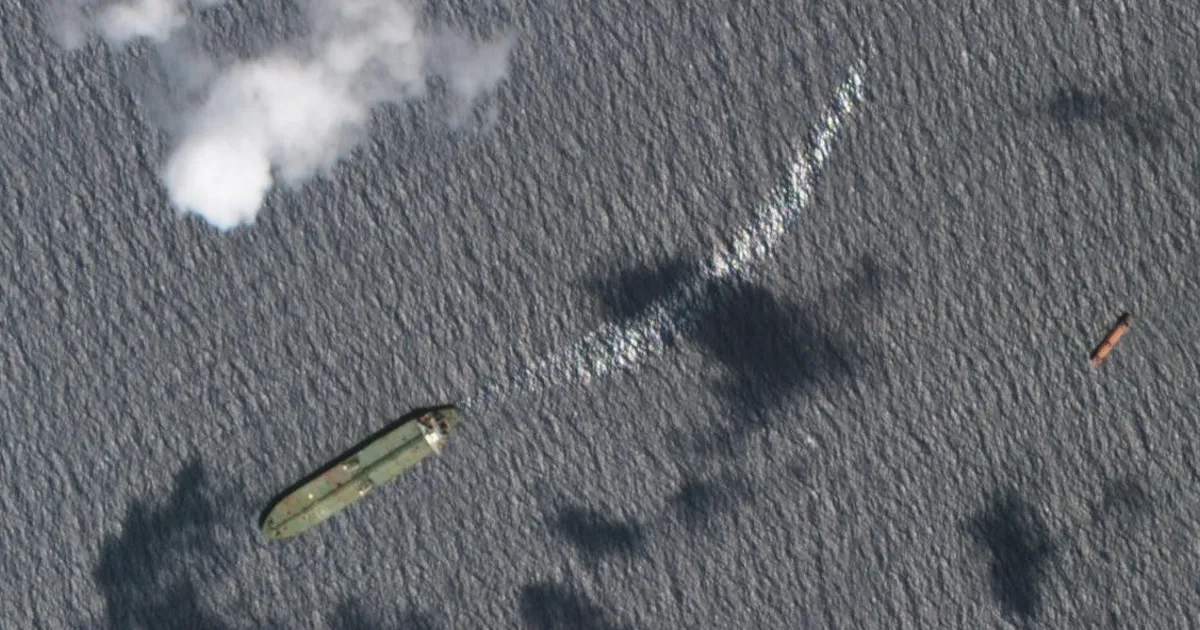
Iran has seized a tanker carrying its own oil in the Gulf of Oman, a move that underscores the complexity and opacity of its crude export network under Western sanctions.
State media reported that Iranian forces detained the vessel, identified as the Ocean Koi, in the Gulf of Oman. The tanker had already been sanctioned by the United States earlier this year as part of Iran's shadow fleet, a network of vessels used to move crude outside official channels. Iran's explanation for the seizure was vague, stating the tanker was carrying Iranian oil but had attempted to deviate from its course. This incident highlights the difficulties Iran faces in managing its own export logistics when much of its fleet operates covertly to avoid sanctions.
For oil and energy traders, this event is a stark reminder of the risks embedded in the shadow fleet trade. The seizure of a sanctioned tanker by its own state owner reveals the lack of transparency and potential for disruptions in Iran's supply chain. Any interruption to Iranian crude flows can tighten global supply, especially given the current geopolitical tensions in the Middle East. Live fuel prices on NowPrice show how the market is reacting in real time, with traders closely watching for any signs of supply strain.
Looking ahead, traders should monitor for further developments in the Gulf of Oman, including any statements from the US or Iran regarding the incident. The broader trend of sanctions enforcement and Iran's response will be key to assessing future supply risks. Data on Iranian crude exports and tanker tracking will provide clues on whether this seizure is an isolated event or part of a larger pattern. Any escalation could lead to higher oil price volatility, making it essential for traders to stay informed through real-time price tracking tools.