




China Energy Imports Plunge as Hormuz Crisis Disrupts Supply
China's energy imports fell sharply in April as the near-halt of shipments through the Strait of Hormuz disrupted crude oil and natural gas supply.
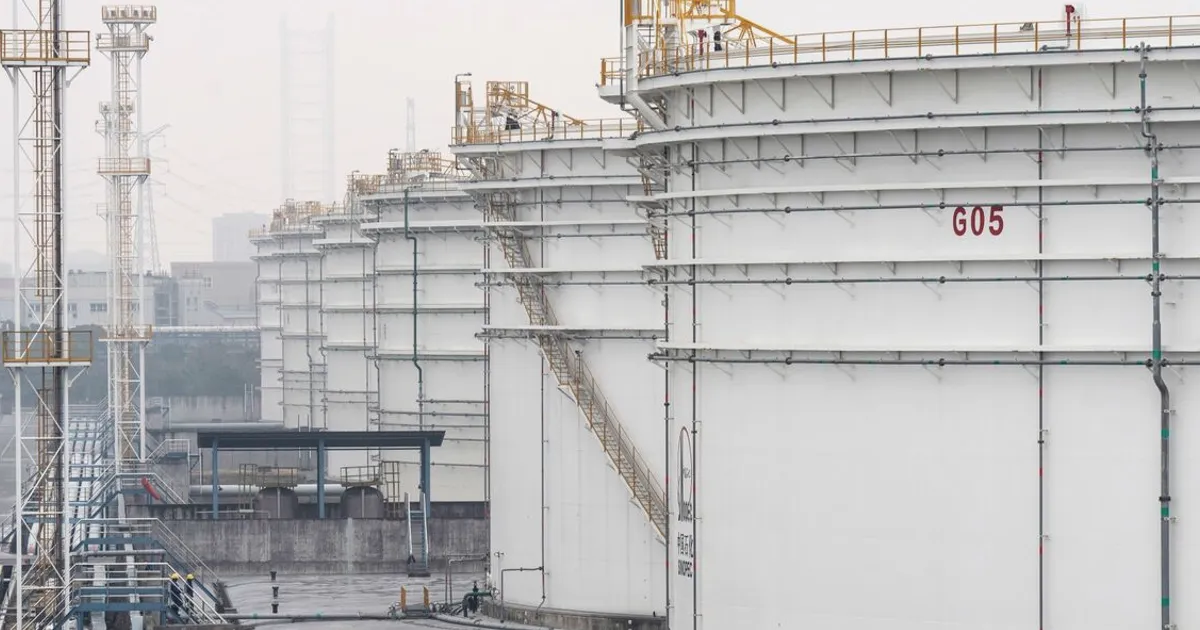
China's energy imports plunged in April as the near-halt of shipments through the Strait of Hormuz choked a vital channel for crude oil and natural gas.
The disruption stems from escalating conflict in the region, which has severely limited tanker traffic through the strait, a chokepoint for about 20% of global oil and LNG flows. China, the world's largest crude importer, relies heavily on Middle Eastern supplies, and the drop in arrivals has tightened domestic inventories and pushed up spot premiums for alternative cargoes. Live fuel prices on NowPrice show how the market is reacting in real time, with crude benchmarks edging higher as traders price in the supply risk.
For energy commodities traders, the Hormuz disruption amplifies existing supply concerns amid OPEC+ production cuts and recovering demand. The reduced Chinese imports could weigh on global demand sentiment, but the immediate effect is a scramble for non-Middle Eastern barrels, boosting prices for Atlantic Basin grades. Natural gas markets are also affected, as LNG cargoes from Qatar and other Gulf states face delays. Traders should monitor weekly Chinese import data and tanker tracking reports for signs of normalization, as well as diplomatic developments that could ease tensions. Any further escalation could push oil prices higher, while a resolution would likely trigger a sharp correction.