




SMRs Lose on Economics, Not Technology, as OPEC Output Hits 26-Year Low
Small modular reactors face economic hurdles, not technological ones, as OPEC oil output drops to a 26-year low amid Iran tensions, reshaping energy supply dynamics.
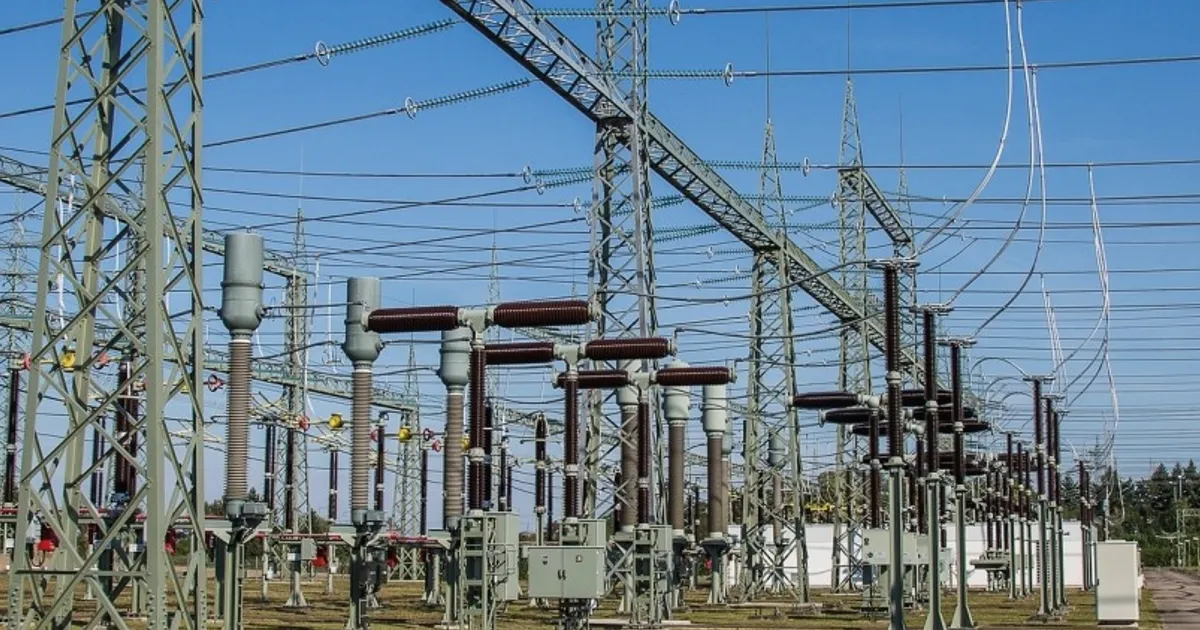
Small modular reactors (SMRs) are losing the energy transition race not because of technology, but because of economics, according to a new analysis. Meanwhile, a Reuters survey shows OPEC oil output has fallen to a 26-year low, driven by disruptions from the Iran war and ongoing production cuts.
The core argument against SMRs is that their timelines remain too long, costs too uncertain, and grid integration too problematic for them to scale meaningfully in the critical decade ahead. Even as the UK's flagship SMR programme advances and European policymakers reconsider offshore wind targets in favor of Rolls-Royce's SMR design, the economic case remains weak. High upfront capital requirements, unproven cost curves, and competition from cheaper renewables and gas keep SMRs on the sidelines. For energy traders, this means nuclear's role in the near-term supply mix is limited, reinforcing reliance on fossil fuels and intermittent renewables.
On the oil side, OPEC's output drop to a 26-year low tightens global supply, supporting crude prices amid already elevated geopolitical risk. The Iran conflict has removed significant barrels from the market, while voluntary cuts by Saudi Arabia and other members persist. This combination of supply constraints and nuclear's slow progress keeps upward pressure on oil prices, benefiting producers but challenging import-dependent economies. Traders should monitor OPEC's next meeting for any policy shift, as well as developments in Iran and the UK's SMR timeline for longer-term energy mix signals. For the latest fuel prices, check NowPrice's real-time quotes.