




Stock Rally Stalls as Hormuz Deadlock Lifts Oil
A stock market rally stalled as oil prices rose after US-Iran talks failed to resolve the Hormuz Strait impasse, reviving supply risk premiums.
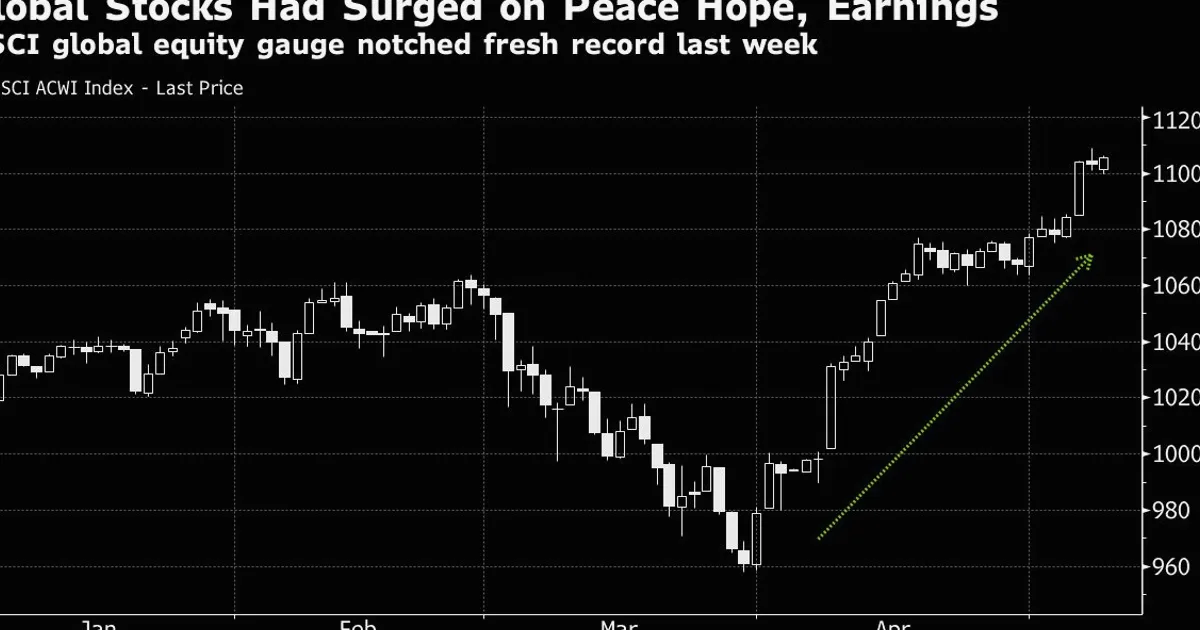
A rally that pushed global stock markets to record highs has stalled as oil prices climbed following the failure of US-Iran negotiations to resolve the deadlock over the Strait of Hormuz. The lack of progress dashed hopes for an imminent reopening of the strategic waterway, through which about a fifth of the world's oil passes. Brent crude futures rose above $82 per barrel, while West Texas Intermediate (WTI) climbed past $78, widening the Brent-WTI spread to around $4, reflecting the heavier reliance of European and Asian refineries on Middle Eastern crude. The standoff has also pushed the futures curve into backwardation, signaling near-term supply tightness, as traders price in the risk of prolonged disruption.
For energy traders, the Hormuz impasse directly revives supply risk premiums embedded in crude prices. The strait is a critical chokepoint, and any disruption threatens to tighten global supply, especially with OPEC+ spare capacity already limited—estimated at roughly 4-5 million barrels per day, mostly held by Saudi Arabia and the UAE. The rise in oil also weighed on equities by stoking inflation fears and complicating central bank policy outlooks. Higher crude prices boost gasoline and diesel costs, squeezing crack spreads—the margin between crude and refined products—which could dampen refinery margins and consumer demand. Meanwhile, the US Strategic Petroleum Reserve (SPR) stands at about 370 million barrels, near a 40-year low, limiting the government's ability to intervene. China's marginal demand, as the world's top crude importer, remains a wildcard, with economic stimulus measures potentially adding to upward price pressure. Traders can check NowPrice's fuel page for real-time Brent and WTI pricing to gauge current risk levels.
Looking ahead, markets will focus on any diplomatic signals from both sides, as well as weekly US inventory data for clues on actual supply tightness. The next round of talks, if any, will be key. Saudi-Russia coordination within OPEC+ will also be critical; any signs of a production increase could ease fears, but both nations have shown reluctance to boost output significantly. Until then, oil is likely to remain bid, keeping pressure on risk assets. A sustained breakout above $85 in Brent could trigger further equity selloffs, while a diplomatic breakthrough might reverse the recent risk-off tone.