




China Car Sales Plunge 21.5% as Gasoline Demand Weakens
China's car sales fell 21.5% in April to the lowest since 2022, driven by a 30% drop in gasoline vehicle sales amid higher fuel prices, signaling weaker oil demand.
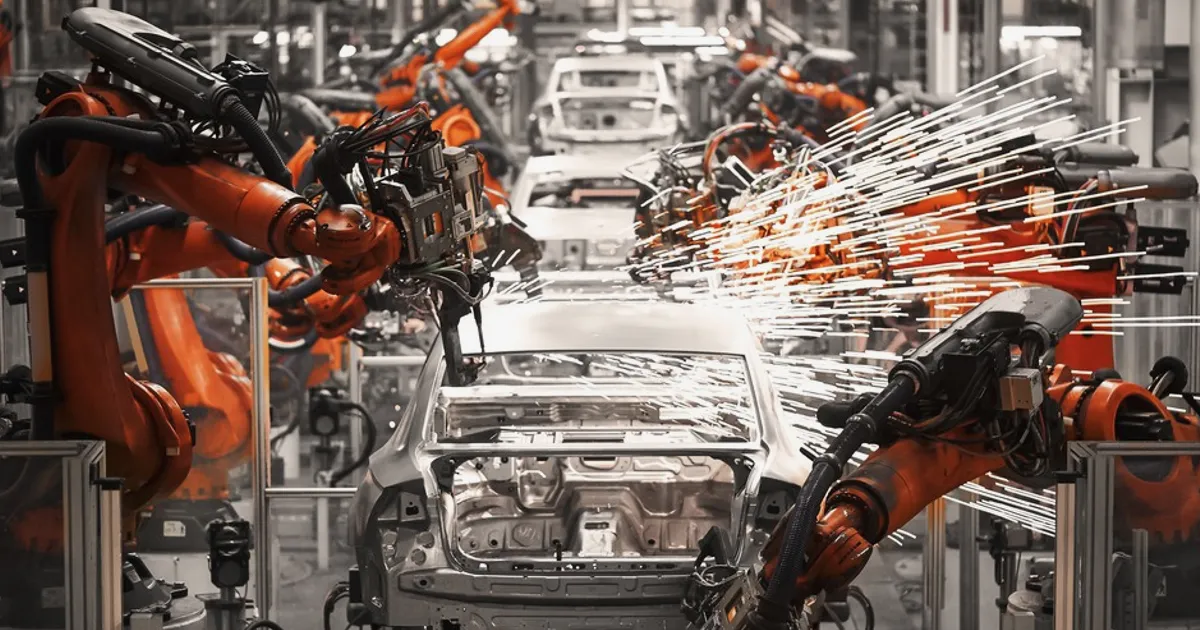
China's car sales slumped 21.5% in April to 1.4 million units, the lowest monthly total since 2022 when the country was still under Covid lockdowns, according to data cited by Bloomberg. The decline was led by a sharp 30% drop in sales of internal combustion engine vehicles, while electric and hybrid vehicle sales fell a more modest 6.8%. This marks the steepest year-over-year contraction in auto sales since early 2022, underscoring the depth of the demand shock in the world's largest auto market.
The slump in gasoline-powered car sales reflects weakening demand for gasoline, a key driver of China's oil consumption. Higher fuel prices have weighed on consumer sentiment, and the shift to electric vehicles has not been enough to offset the decline in traditional car sales. For oil and gas traders, this signals a potential structural shift in China's oil demand growth, as the world's largest crude importer sees its gasoline consumption peak earlier than expected. The crack spread—the refining margin between crude oil and gasoline—has narrowed sharply in recent weeks, indicating that downstream demand is faltering even as crude supply remains ample. OPEC+ spare capacity, estimated at over 5 million barrels per day, provides a buffer that could cap any price rallies. Meanwhile, the Brent-WTI spread has remained range-bound, reflecting global oversupply concerns. China's strategic petroleum reserves, which were drawn down during the 2022 price spike, have been partially replenished but remain below peak levels, limiting the government's ability to intervene. Live fuel prices and charts on NowPrice show how the market is reacting to these demand-side pressures, with gasoline futures on the Shanghai International Energy Exchange sliding to multi-month lows.
Looking ahead, traders will watch for further data on China's vehicle sales and refinery runs in the coming months. A sustained downturn in gasoline demand could weigh on global oil prices, especially as OPEC+ spare capacity remains ample. The pace of EV adoption and government stimulus measures for the auto sector will be key factors to monitor. Additionally, the contango structure in the crude futures curve suggests that the market expects oversupply to persist, while backwardation in gasoline futures indicates immediate demand weakness. China's marginal demand for crude, which has been a key driver of global oil prices over the past decade, may be peaking sooner than anticipated. Saudi Arabia and Russia, the de facto leaders of OPEC+, are likely to maintain their coordinated production cuts to support prices, but the effectiveness of such measures will be tested if Chinese demand continues to erode. Traders should also monitor the US SPR level, which at around 370 million barrels remains near a 40-year low, limiting the Biden administration's ability to release additional barrels to cool prices.