




Iran conflict uncertainty weighs more on markets than inflation
Market uncertainty from the Iran conflict is seen as more damaging than higher energy costs, as it undermines business investment and fuels defensive positioning across asset classes.
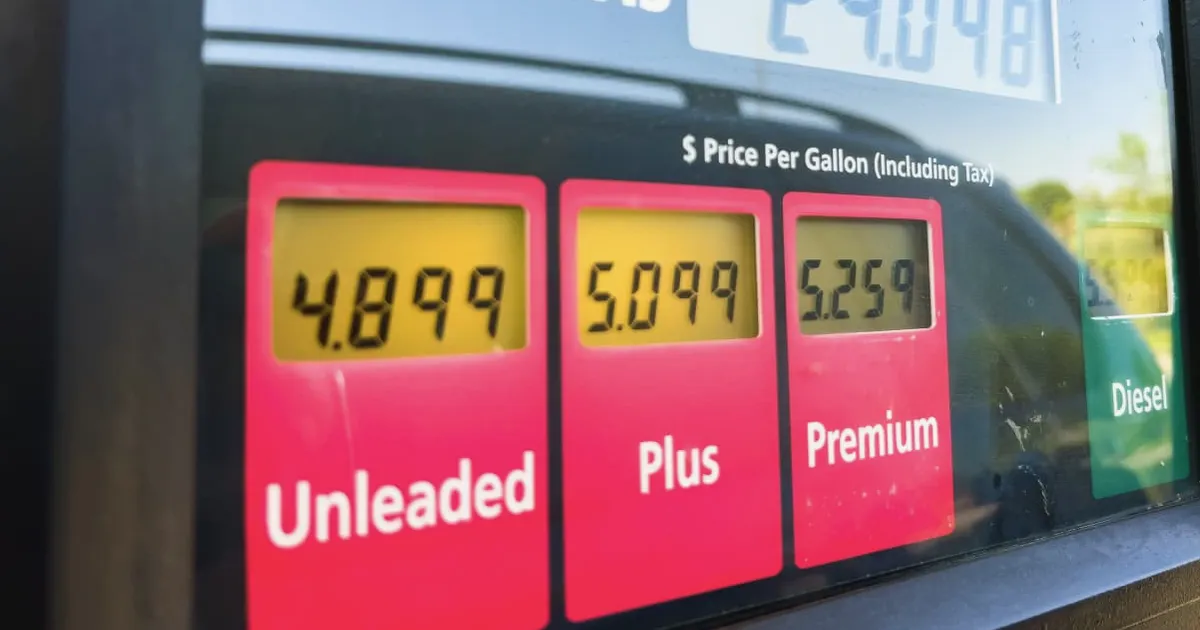
The Iran conflict's most damaging effect on financial markets is not the direct inflationary impulse from higher energy prices, but the pervasive uncertainty that is crushing business confidence and investment. While markets have historically absorbed periods of expensive oil, the current volatile geopolitical environment is spurring a broad shift toward defensive positioning across equities, bonds, and currencies.
For interest rate and central bank policy traders, this uncertainty complicates the outlook for monetary policy. A prolonged conflict that depresses investment and consumer confidence could slow economic growth, potentially prompting central banks to pause or even reverse tightening cycles. At the same time, the risk of sustained energy-driven inflation limits their ability to ease. This tension is reflected in yield curve dynamics, where long-term rates may fall on growth fears while short-term rates remain elevated by inflation concerns. Traders can check NowPrice's rates page for real-time pricing on key government bonds and futures to gauge current market expectations.
Looking ahead, traders should monitor any diplomatic developments that could reduce uncertainty, as well as upcoming economic data releases that will reveal the real-economy impact. Key levels to watch include the 10-year Treasury yield's reaction to growth versus inflation signals, and any shift in central bank forward guidance. The path of oil prices will also remain a critical input for rate expectations, but the dominant driver for now is the unpredictable geopolitical backdrop.