




Franklin Templeton CEO Says Private Credit Belongs in Retirement Funds
Franklin Templeton CEO Jenny Johnson argues that retirement accounts are ideal for private credit and equity due to illiquidity premiums, potentially boosting returns by 20% over two decades.
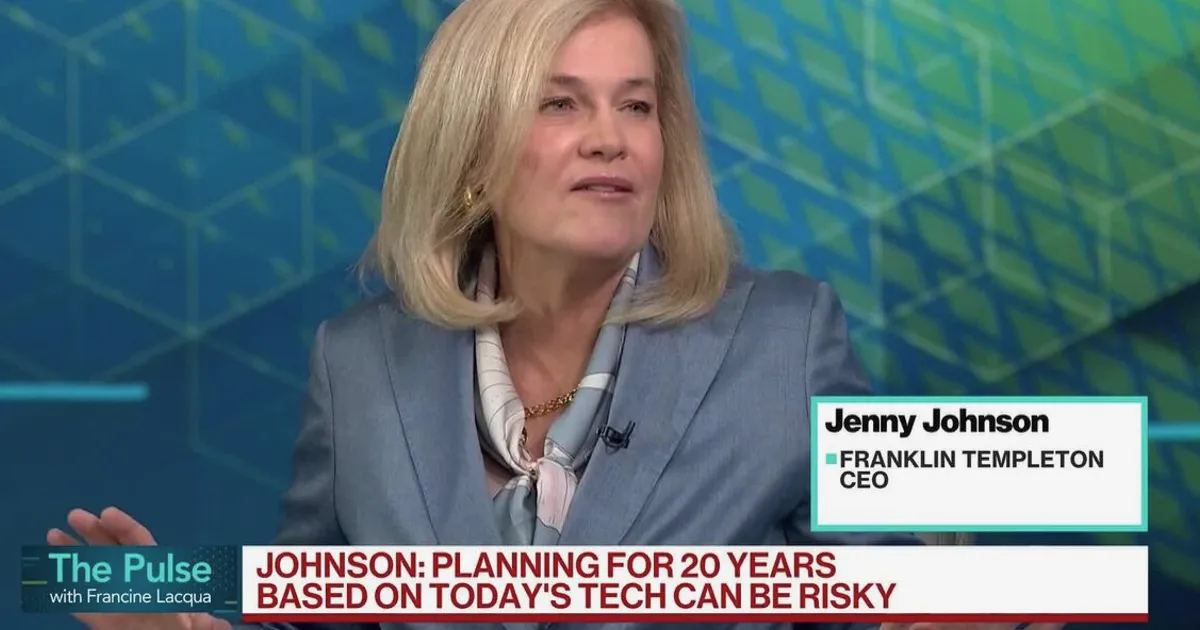
Franklin Templeton Chief Executive Officer Jenny Johnson says retirement accounts are the “best place” for private credit and equity investments, citing the illiquidity premium as a key advantage for long-term savers.
Speaking on Bloomberg Television, Johnson explained that private credit and equity require investors to lock up capital for extended periods, often a decade or more. “You can't get your money for 10 years, so you really need to be able to withstand the illiquidity,” she said. However, she emphasized that the trade-off is worthwhile: a 1% additional annual return can translate into 20% more retirement savings over a 20-year period. This argument positions private assets as a natural fit for retirement funds, which have long investment horizons and can tolerate illiquidity.
For stock market investors, the growing allocation of retirement capital into private credit could reduce demand for public equities, potentially compressing valuation multiples in listed markets. At the same time, it highlights a structural shift in asset management, where traditional 60/40 portfolios are being challenged by alternative investments. NowPrice offers real-time quotes on major stock indices and ETFs, allowing traders to monitor how these flows impact market dynamics.
Looking ahead, the debate over private asset allocations in retirement plans is likely to intensify, especially as regulators examine liquidity risks and fee structures. Investors should watch for policy changes regarding defined-contribution plans and the potential for increased private market access. The outcome could reshape capital flows between public and private markets for years to come.