




Australia grocery giants face price gouging penalties from July 1
Australia's new price gouging laws, effective July 1, impose financial penalties on supermarket giants Coles and Woolworths for overcharging customers, with fines up to 10% of annual turnover.
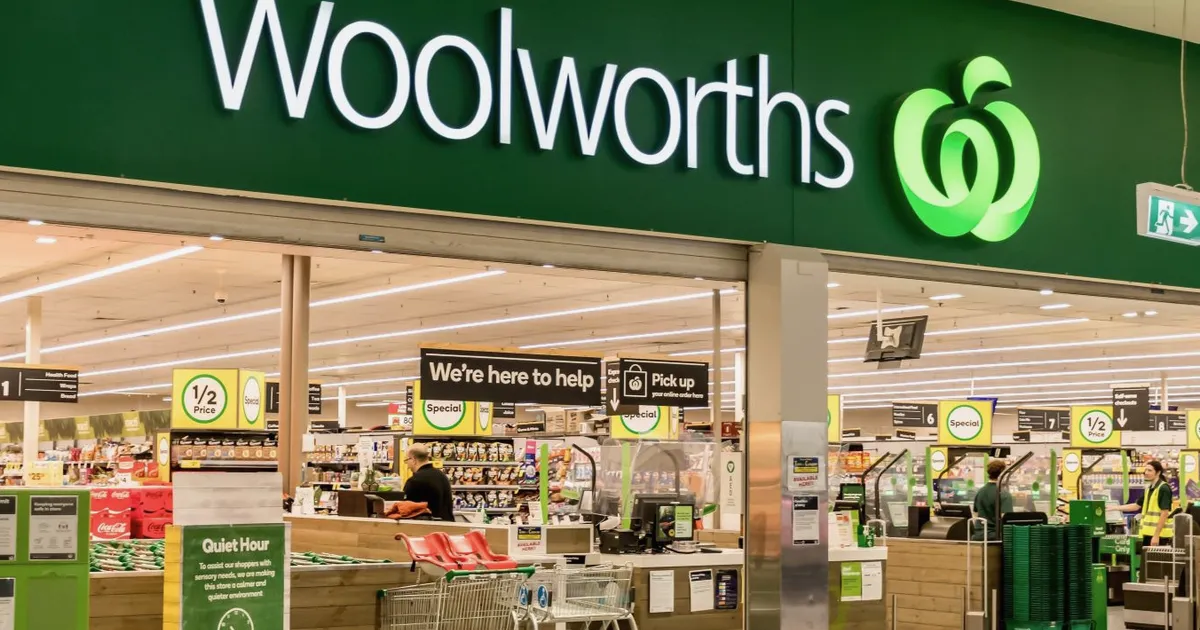
Australia's supermarket giants will face financial penalties if they overcharge customers as new "price gouging" rules take effect next week. Starting 1 July, the federal government's new law will target "very large" retailers turning over more than A$30bn ($20.7bn) annually. At present, the threshold applies only to Coles and Woolworths, the two dominant players in the Australian grocery market, which together control roughly two-thirds of the sector. The legislation empowers regulators to impose fines of up to 10% of annual turnover for breaches, a mechanism designed to deter unfair pricing practices that exploit consumers during periods of high inflation or supply chain disruptions.
The new legislation marks a significant escalation in regulatory oversight of Australia's dominant grocery sector. For traders, the development signals potential margin compression for these retail heavyweights, which could weigh on their stock valuations. Investors holding positions in Coles or Woolworths should monitor how the companies adjust pricing strategies to comply with the rules. While the immediate financial impact may be limited, the long-term implications for profitability and market share are worth watching. The law introduces a formal definition of "price gouging" based on excessive pricing relative to cost increases, a standard that could require retailers to provide detailed cost breakdowns to justify price changes. This added transparency may reduce the ability of Coles and Woolworths to pass on cost increases to consumers as freely as in the past, potentially squeezing net margins that currently hover around 3-4%.
Looking ahead, market participants will focus on the Australian Competition and Consumer Commission's enforcement approach and any initial penalties that set precedents. The government may also consider expanding the threshold to include other large retailers, such as Aldi or Costco, if they cross the A$30bn revenue mark. For now, the July 1 start date is the key milestone, and any announcements from Coles or Woolworths regarding compliance measures could move their share prices. Investors should also watch for quarterly sales reports in the coming months to gauge whether the new rules affect consumer pricing or shopping behavior. The political landscape adds another layer of uncertainty, as the government may use high-profile enforcement actions to demonstrate consumer protection ahead of the next election, potentially increasing the risk of reputational damage for the grocers.