




Best of Congo Cooperatives Returns with 34 Traceable Coffee Lots
The third edition of Best of Congo Cooperatives offers 34 traceable arabica microlots from North and South Kivu, providing a rare buying opportunity for high-quality green coffee from the Democratic Republic of Congo.
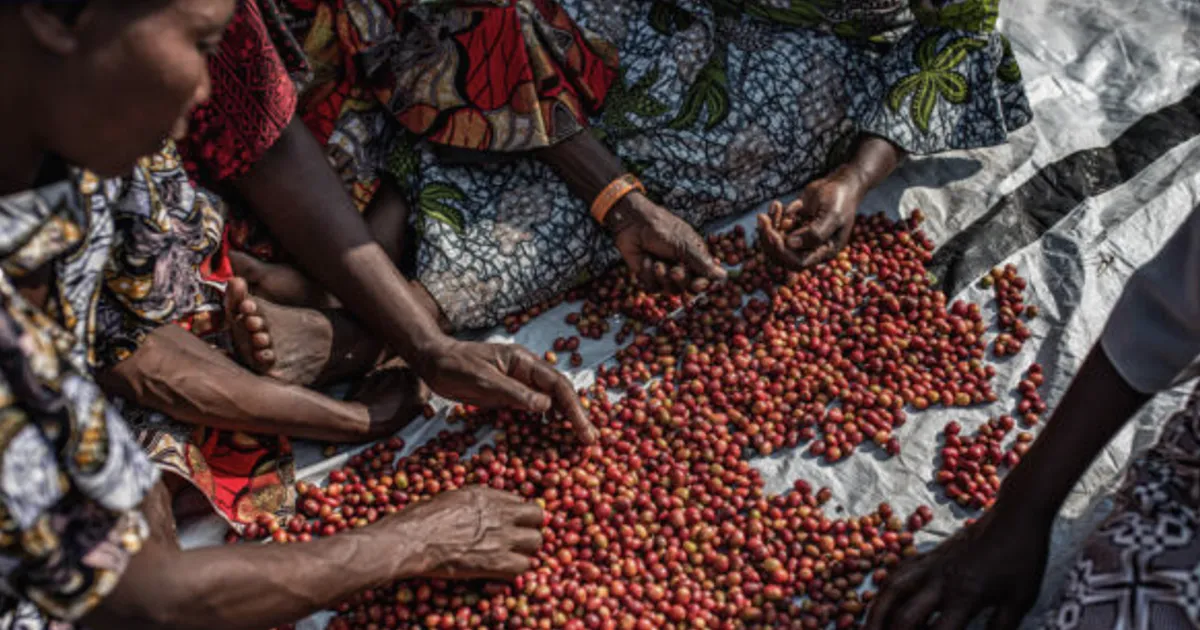
The Best of Congo Cooperatives program has returned for its third edition in 2026, featuring 34 traceable arabica microlots from North and South Kivu in the Democratic Republic of Congo. This initiative opens a rare buying window for high-quality green coffee from a region known for its complex, fruity profiles but limited export infrastructure. The program, which began in 2024, has grown in scale and reputation, offering roasters and traders direct access to some of the most sought-after beans from a country that has historically struggled with political instability and underdeveloped supply chains. Each lot is fully traceable to the cooperative and farm level, providing transparency that is increasingly valued in the specialty coffee market.
For coffee traders and roasters, these lots represent a differentiated sourcing opportunity in a market where traceability and origin storytelling increasingly command premiums. The DRC's coffee sector, while small, has gained attention for producing specialty-grade beans that compete with neighboring East African origins such as Ethiopia and Kenya. The microlots, which are typically sold through online auctions or direct contracts, allow buyers to secure unique profiles that can stand out in a crowded marketplace. Traders can monitor arabica coffee futures on NowPrice's live commodities dashboard to track price trends relative to other origins, helping them make informed decisions about pricing and hedging strategies in a volatile global market.
Looking ahead, the success of this edition may signal further growth in DRC's specialty coffee exports. Buyers will be watching cupping scores and lot sizes, as well as the ability of cooperatives to maintain quality and consistency. The broader market is also eyeing supply dynamics from East Africa amid ongoing logistical challenges, such as port congestion and shipping delays, which could shift demand toward alternative origins like the DRC. The program's focus on cooperative-grown lots also highlights the role of sustainability certifications, such as Fair Trade and Rainforest Alliance, in shaping future trade flows and ensuring that farmers receive fair compensation for their high-quality beans.