




Brazil Coffee Farmers Adapt as Climate Shifts Threaten Harvests
Brazilian coffee farmers are adopting new techniques as climate change alters growing conditions, threatening future harvests of the world's largest coffee producer.
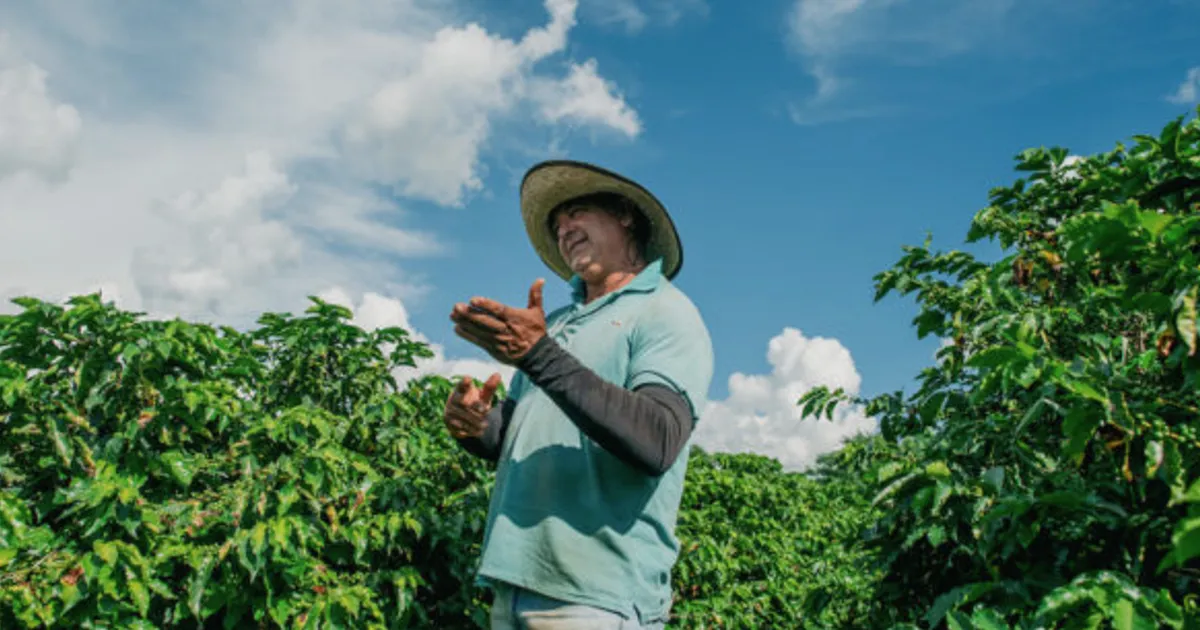
Brazilian coffee farmers are adapting to shifting climate patterns that threaten the country's position as the world's largest coffee producer. Small-scale growers, like Edson Paes who cultivates 12,000 organic Arabica plants single-handedly on his farm in Minas Gerais, are implementing new strategies to cope with changing weather conditions. Paes has shifted planting times, introduced shade trees, and invested in irrigation to buffer against droughts and erratic rains. These adaptations are critical for his survival as rising temperatures and irregular rainfall patterns alter traditional coffee-growing regions in Brazil, affecting crop yields and quality.
For traders, this shift has direct implications for global coffee supply and prices. Arabica coffee futures, traded on the ICE Futures US exchange under the ticker KC, are highly sensitive to weather developments in Brazil's major growing regions, which account for roughly one-third of global coffee output. As climate risks intensify, supply disruptions can trigger price spikes or increased volatility. Traders can monitor real-time price movements on NowPrice's live commodities dashboard to track market reactions to weather events, crop reports, and policy changes. The underlying mechanism is straightforward: adverse weather reduces supply expectations, pushing futures prices higher, while favorable conditions can lead to price declines.
Looking ahead, the success of adaptation efforts by small farmers like Paes will be crucial for Brazil's coffee output in coming years. Market participants will watch for updates on planting conditions, government support programs, and technological innovations that could mitigate climate impacts. The long-term trend suggests increased volatility in coffee prices as climate change continues to reshape agricultural landscapes, with potential shifts in growing regions to higher altitudes or cooler areas. Traders should also monitor Brazil's currency and export policies, as these factors interact with climate-driven supply dynamics to influence global coffee markets.