




Canadian farmers cut wheat acres, boost canola to record high
Canadian farmers planted fewer wheat acres and a record area of canola in 2026, according to a crop survey led by Saskatchewan, signaling a major shift in crop mix that could impact global grain and oilseed supplies.
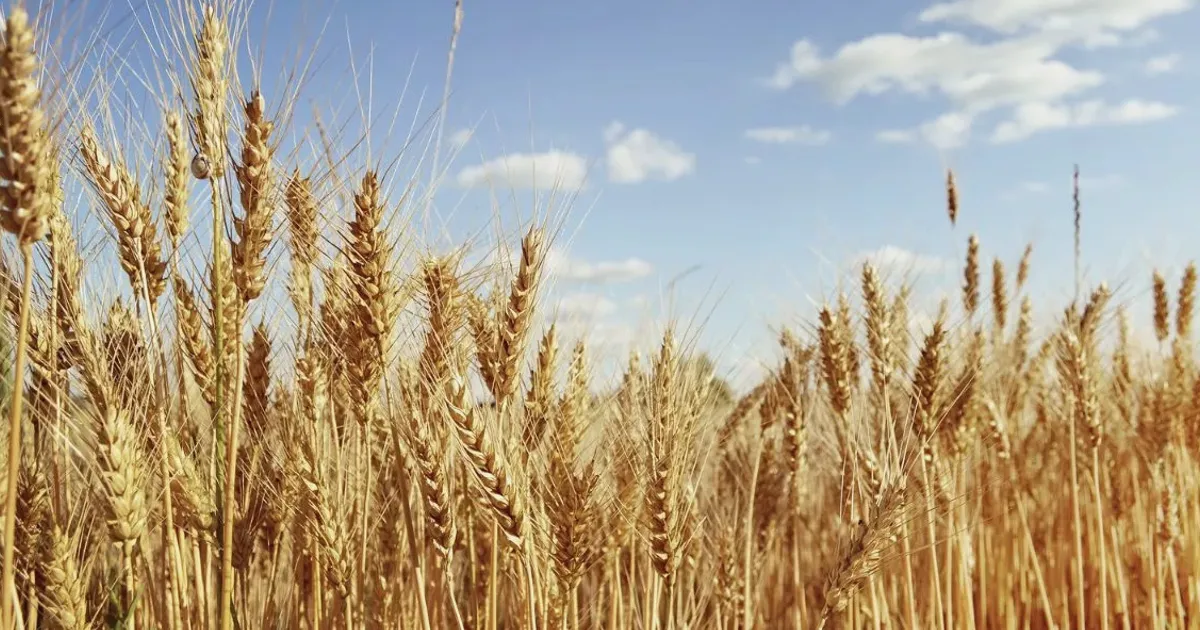
Canadian farmers have planted fewer wheat acres and a record area of canola in 2026, according to a crop survey led by Saskatchewan, the country's top agricultural province. The shift reflects changing market dynamics and relative profitability between the two crops, with canola prices remaining attractive amid strong demand for vegetable oils and biofuels. This planting decision is a direct response to market signals: canola has offered better margins due to robust demand from both the food industry and the expanding renewable diesel sector, while wheat prices have faced headwinds from ample global stocks and competition from Black Sea supplies. The survey, which covers the majority of Canadian farmland, indicates that wheat acreage fell by approximately 5% year-over-year, while canola acreage rose to a new all-time high, surpassing the previous record set in 2023.
The reduction in wheat acreage could tighten global wheat supplies, especially as other major exporters like Russia and the U.S. face their own production uncertainties. Russia, the world's largest wheat exporter, has seen export restrictions and weather challenges, while U.S. winter wheat conditions have been mixed due to drought in key growing regions. For commodities traders, this means potential upward pressure on wheat prices and increased volatility in the canola market, which is already sensitive to weather conditions in the Prairies. The canola market is particularly reactive to temperature and precipitation patterns during the critical flowering and pod-filling stages in July and August. Traders can monitor these price movements on NowPrice's live commodities dashboard to track real-time changes in wheat and canola futures, allowing for timely adjustments to positions based on evolving supply-demand fundamentals.
Looking ahead, the market will focus on actual yield outcomes as the growing season progresses, with weather patterns in the Canadian Prairies being a key variable. The El Niño-Southern Oscillation (ENSO) cycle is currently in a neutral phase, but forecasts suggest a potential shift to La Niña later in the year, which could bring cooler and wetter conditions to the region—beneficial for canola but potentially delaying wheat harvest. Additionally, global demand for canola oil, particularly from the biofuel sector, will be a critical factor in determining whether the record acreage translates into a price-supportive supply surplus or a bearish overhang. The U.S. Renewable Fuel Standard and Canadian Clean Fuel Regulations are driving structural demand growth for vegetable oils, but any slowdown in biofuel mandates or a shift to alternative feedstocks could quickly alter the demand outlook. Traders should also watch for export data from Canada, as the country is the world's largest canola exporter, and any logistical disruptions at ports could amplify price swings.