




Canstar Resources Hits Potential VMS Feeder Zone at Mary March Project
Canstar Resources intersected copper- and zinc-bearing stringer and disseminated mineralization over 118 m within altered rhyolite at its Mary March VMS project in Newfoundland, supporting the geological model.
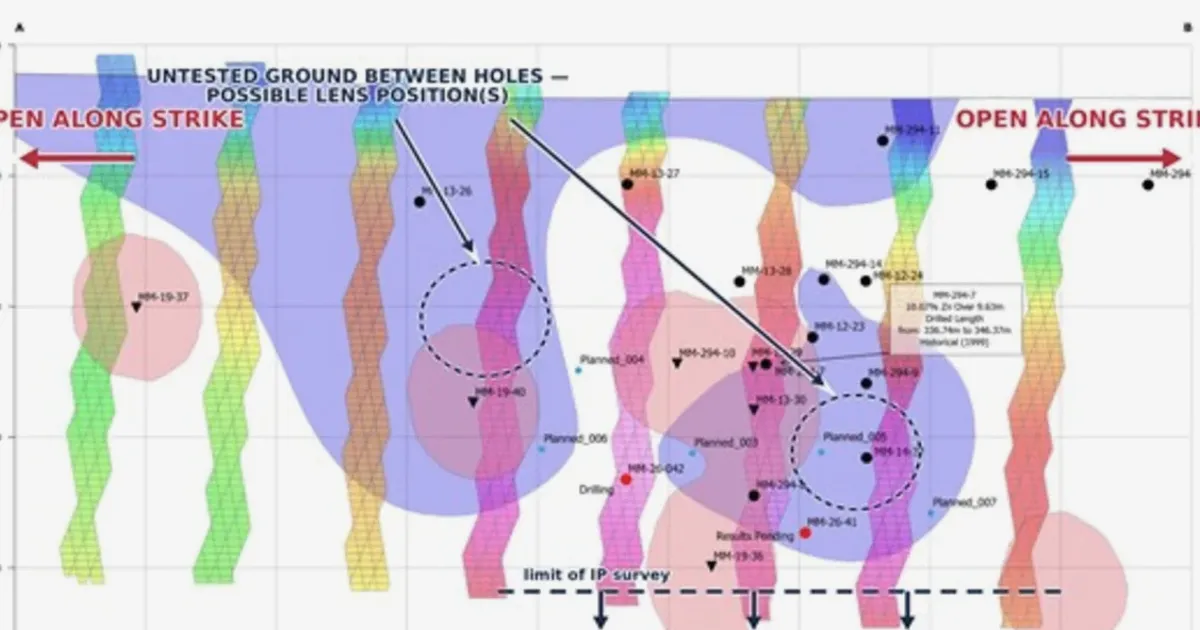
Canstar Resources has intersected a potential volcanogenic massive sulphide (VMS) feeder zone in the first diamond drill hole of its 2026 program at the Mary March project in central Newfoundland. The hole, MM-26-41, encountered copper- and zinc-bearing stringer and disseminated mineralization over 118 m within intervals totaling 270 m of altered rhyolite, reaching a mineralized basal contact that typically hosts VMS lenses. Assays are pending, but the company says the results support its geological model.
For commodities traders, this discovery is significant because it suggests the presence of a VMS system with potential for economic grades of copper and zinc. VMS deposits are a major source of these base metals, and a new discovery in a historic mining district like Buchans could attract further exploration investment. The wide intercepts and the presence of both copper and zinc are positive indicators, though true widths and grades remain to be determined. NowPrice live commodities prices and charts show how base metals markets react to exploration news.
Investors should watch for assay results from MM-26-41 and subsequent holes in the program. The company plans to continue drilling to test the extent of the feeder zone and potential VMS lenses. A successful discovery could boost Canstar's valuation and draw attention to the Buchans district. The next few months will be critical as more data emerges.