




Cantor Fitzgerald Raises KLA Price Target to $325 on AI Chip Cycle
Cantor Fitzgerald raised its price target on KLA Corporation to $325 from $250, citing a durable AI-driven semiconductor cycle and supply constraints, while BofA also lifted its target to $317.
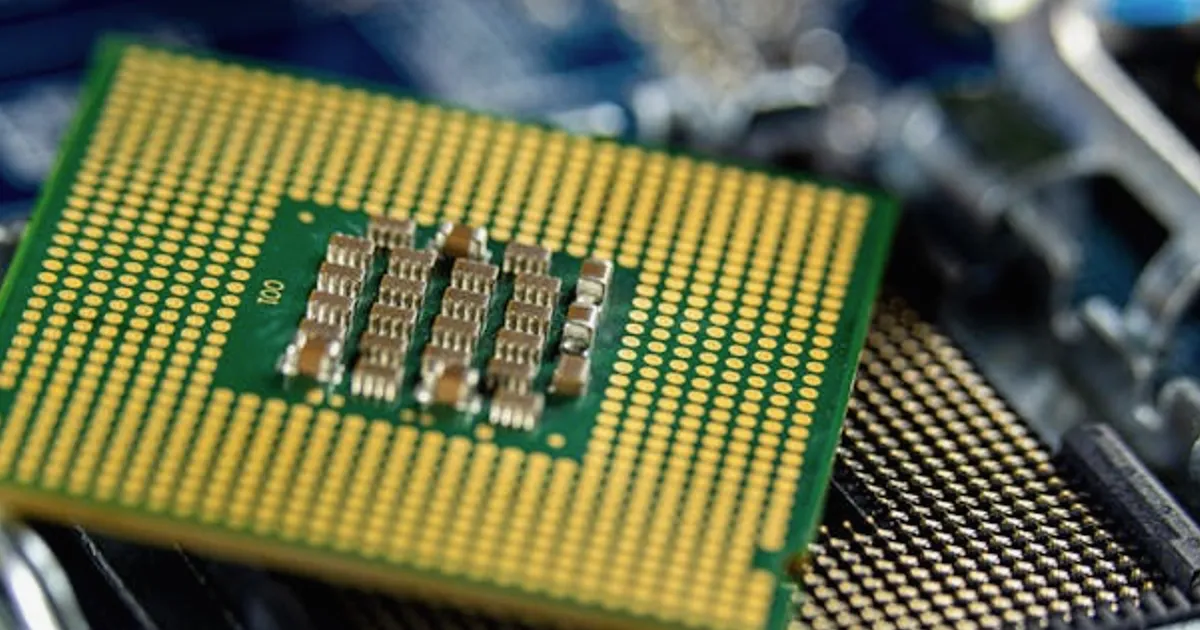
Cantor Fitzgerald raised its price target on KLA Corporation (NASDAQ:KLAC) to $325 from $250, maintaining an Overweight rating. The firm sees the AI infrastructure buildout as a durable and extended generational semiconductor cycle, supported by supply chain constraints. Cantor Fitzgerald expects industry revenue to reach roughly $3 trillion by calendar year 2029 and potentially exceed $3.5 trillion by 2030. This upgrade reflects growing confidence in the sustained demand for advanced chips, which are critical for AI applications like machine learning and data processing. The semiconductor industry is cyclical by nature, but the current upcycle is being driven by structural shifts in technology adoption rather than just inventory restocking.
For traders, this upgrade signals continued bullish sentiment in the semiconductor equipment space, driven by AI demand. KLA, a key player in wafer inspection and metrology, stands to benefit from increased capital expenditure by chipmakers as they expand fabrication capacity. Wafer inspection tools are essential for detecting defects in the manufacturing process, and KLA holds a dominant market share in this niche. As chipmakers race to build new fabs, particularly for advanced nodes like 3nm and 2nm, spending on KLA's equipment is expected to rise. Traders can monitor KLA's price action and related semiconductor ETFs on NowPrice's real-time commodities dashboard to track sector momentum. The broader market for semiconductor equipment is also supported by government incentives in the US and Europe aimed at boosting domestic chip production.
Looking ahead, investors will watch for upcoming earnings reports from KLA and its peers, as well as any shifts in AI chip demand or supply chain dynamics. The raised targets from both Cantor Fitzgerald and BofA suggest confidence in the long-term growth trajectory, but near-term volatility may arise from macroeconomic data or geopolitical developments affecting the semiconductor industry. Key risks include potential export controls on advanced chips to China, which could disrupt supply chains, or a slowdown in AI investment if economic conditions deteriorate. Additionally, any signs of inventory buildup in the semiconductor supply chain could lead to a temporary pullback in equipment orders. Traders should keep an eye on industry events like the SEMICON conference for further guidance on capital spending plans.