




Caribbean Spaceport Plan Emerges as Satellite Launch Demand Surges
A US company plans to build the first US-owned commercial spaceport in Latin America, betting that surging satellite demand will strain existing launch infrastructure and open a new frontier of geopolitical competition.
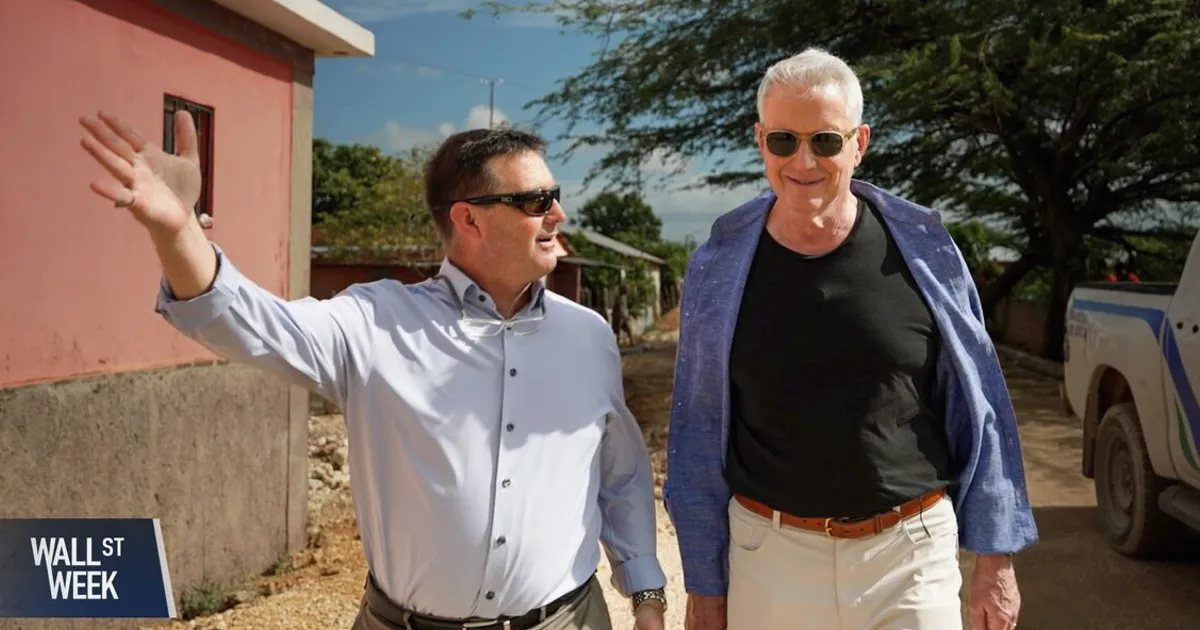
A US company is developing what could become the first US-owned commercial spaceport in Latin America, betting that demand for launch capacity will surge as the number of satellites in orbit expands dramatically over the coming decade.
Launch on Demand founder Burton Catledge is leading the project, which aims to build a spaceport in the Caribbean region. The initiative comes as existing launch infrastructure is already strained, according to McKinsey aerospace expert Ryan Burkardt. The rapid growth of satellite networks is creating a global race to build the infrastructure needed to get them into orbit.
For traders, the space industry's expansion has implications for commodities tied to aerospace and defense. Key materials such as titanium, aluminum, and rare earth elements could see increased demand as launch infrastructure scales up. Additionally, satellite internet and communications companies may benefit from lower launch costs. Traders can monitor price movements in these commodities on NowPrice's live dashboard.
Looking ahead, the project faces regulatory hurdles and geopolitical considerations. CSIS aerospace specialist Kari Bingen notes that space could become a new frontier of geopolitical competition as China expands its footprint across Latin America. Key data to watch include progress on environmental impact assessments, international agreements, and funding milestones. The success of this spaceport could reshape the global launch market and influence supply chains for critical materials.