




China Extends US Soybean Buying Spree as Trade Thaw Continues
China has purchased additional US soybeans, extending a buying spree that signals improving agricultural trade relations between the world's two largest economies.
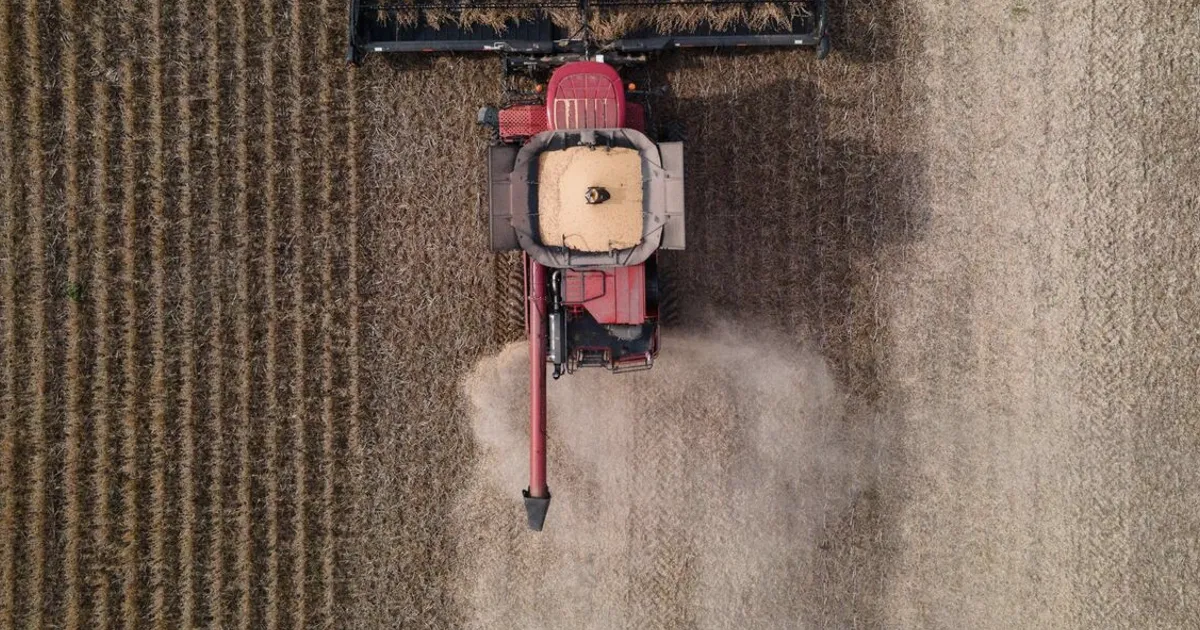
China has purchased additional US soybeans, extending a buying spree that signals improving agricultural trade relations between the world's two largest economies. The purchases come as both sides seek to de-escalate tensions and stabilize trade flows. This latest round of buying follows a series of similar transactions over the past several weeks, marking a notable shift from the reduced volumes seen during the peak of the trade war. Market participants view this as a concrete step toward normalizing bilateral agricultural trade, which had been severely disrupted by tariffs and retaliatory measures.
For agricultural commodity traders, this development is significant because China is the world's largest soybean importer, accounting for roughly 60% of global soybean trade. Increased Chinese buying supports US soybean prices and narrows the price gap with Brazilian soybeans, which had gained market share during previous trade disputes. The buying spree also reflects improved risk sentiment in the broader agricultural complex, with corn and wheat futures also drawing support. Live commodities prices and charts on NowPrice show how the market is reacting to these trade flows in real time. The mechanism behind this price support is straightforward: when a major buyer like China increases purchases, it reduces available supply in the US market, putting upward pressure on prices. Conversely, if China were to shift purchases back to Brazil, US prices would likely weaken. Traders also watch the soybean crush margin—the difference between the cost of soybeans and the value of its products (meal and oil)—as a key indicator of demand. Currently, strong crush margins in China are encouraging further imports.
Looking ahead, traders will monitor weekly USDA export sales data to confirm the pace of Chinese purchases. Any signs of a slowdown or renewed trade friction could reverse the recent price gains. The next major catalyst will be the outcome of high-level trade talks, as well as weather conditions in the US Midwest affecting the 2026 soybean crop. Additionally, traders should watch for any changes in China's domestic soybean reserves or shifts in its feed demand, as these factors can influence the sustainability of the buying spree. The USDA's upcoming World Agricultural Supply and Demand Estimates (WASDE) report will also provide critical updates on global supply and demand balances, potentially affecting price trajectories.