




Copper Traders Brace for Next Wave of US Tariff Turmoil
Copper traders are bracing for another round of tariff uncertainty as the US Commerce Department prepares a key report for the White House, potentially reshaping import costs and supply flows.
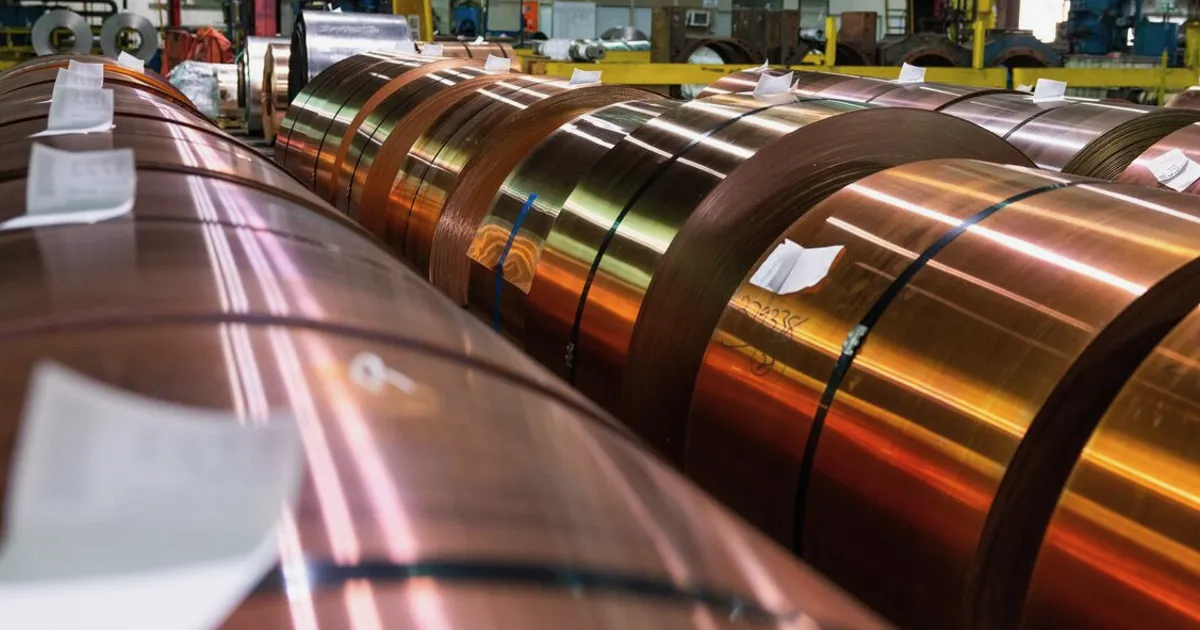
Copper traders are bracing for another wave of tariff uncertainty as the US Commerce Department prepares a key report for the White House, which could inform President Donald Trump's next trade policy move. The report, expected to be delivered soon, may recommend new measures that could disrupt global copper supply chains and impact prices. This comes after previous tariff actions have already created significant volatility in the market, forcing traders to constantly reassess their positions based on shifting expectations for import costs. The copper market, which is highly sensitive to trade policy changes, has seen dramatic price swings in recent months as participants try to anticipate the next move from Washington.
The copper market has already been volatile due to previous tariff actions, with traders adjusting positions based on shifting import cost expectations. If the report signals higher tariffs on copper imports, it could widen the premium for US-delivered copper relative to global benchmarks, similar to patterns seen in 2025. This premium reflects the additional cost of importing copper into the US, and any increase would likely lead to higher prices for domestic consumers. Traders can monitor real-time copper price movements on NowPrice's live commodities dashboard to track these developments. The mechanism here is straightforward: tariffs act as a tax on imports, raising the cost of foreign copper and making domestic supply more attractive, which in turn pushes up the premium for US-delivered material.
Looking ahead, market participants will focus on the report's recommendations and any subsequent White House announcements. Key levels to watch include the London Metal Exchange copper price and the US premium. Any escalation in trade tensions could also spill over into other base metals and broader risk sentiment, making this a critical event for commodity markets. Traders should also keep an eye on related assets like aluminum and steel, which have been similarly affected by tariff policies in the past. The outcome of this report could set the tone for the entire base metals complex in the coming weeks.