




Corn Futures Fall as US-Iran Tensions Ease, US Heat in Focus
Corn futures declined after de-escalation in US-Iran hostilities shifted focus to US heatwave conditions that could affect crop yields.
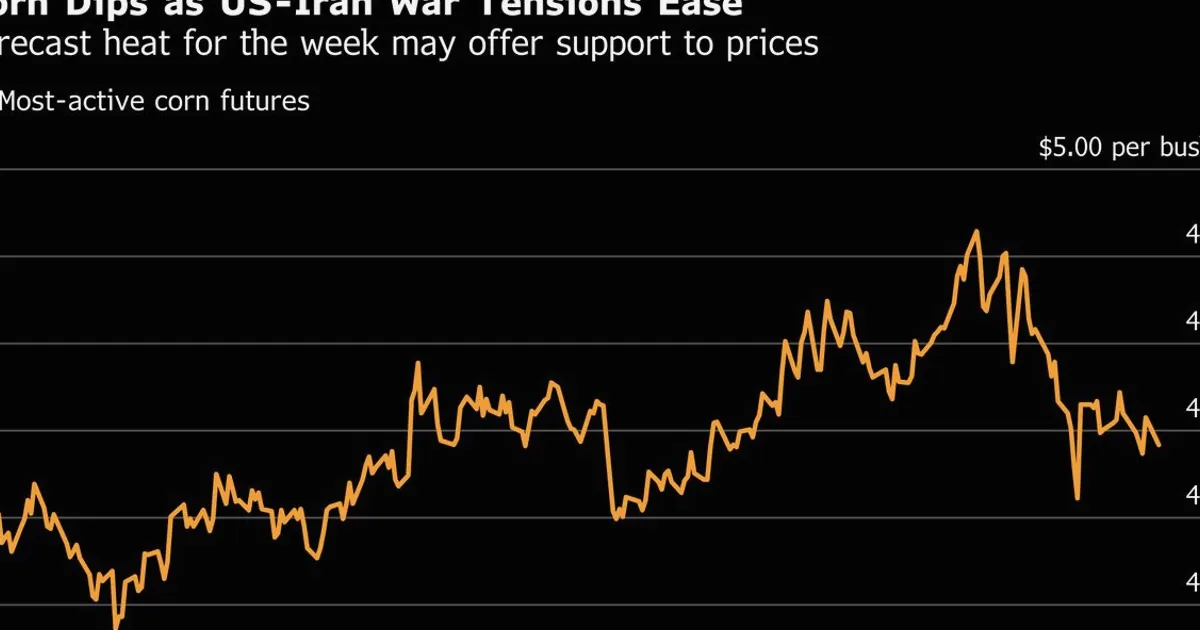
Corn futures slipped as geopolitical tensions between the US and Iran eased, shifting traders' attention back to weather conditions in the US that could impact crop development. The de-escalation removed a risk premium that had supported prices, while forecasts of extreme heat across key growing regions introduced a new source of uncertainty. Corn futures on the Chicago Board of Trade (CBOT) fell as much as 1.2% in early trading, reflecting the rapid repricing of risk. The easing of tensions followed reports that both sides signaled a desire to avoid further escalation, prompting traders to unwind positions built on fears of supply disruptions in the Middle East.
For commodities traders, the move underscores how quickly sentiment can pivot between geopolitical and fundamental drivers. The easing of Middle East tensions reduced safe-haven demand for agricultural commodities, but the emerging heatwave in the US Corn Belt threatens to curb yield potential during a critical pollination phase. The pollination period, typically in July, is when corn plants are most sensitive to heat stress, and prolonged temperatures above 90°F can significantly reduce kernel development. This fundamental risk is now taking center stage, as traders assess whether the heatwave will be severe enough to dent the USDA's current yield forecasts. NowPrice's real-time commodities quotes show the latest corn futures levels as the market weighs these competing factors, with prices hovering near session lows but remaining volatile.
Looking ahead, traders will monitor updated weather models and the USDA's weekly crop progress report for signs of stress on corn conditions. The USDA report, released every Monday, provides the first official assessment of crop health, including the percentage of corn rated good-to-excellent. Any sustained heat without adequate rainfall could tighten supply expectations and support prices, while a return to normal weather would likely keep the focus on ample global inventories. Additionally, traders will watch for any shifts in export demand, as lower prices could attract buying from major importers like China. The interplay between weather and geopolitics will remain key in the coming weeks, with the market likely to remain sensitive to any new developments.