




ECB's Makhlouf Warns Price Pressures Persist Despite Iran Deal
ECB's Gabriel Makhlouf downplays the impact of a US-Iran peace deal on euro-area inflation, signaling that underlying price pressures remain persistent.
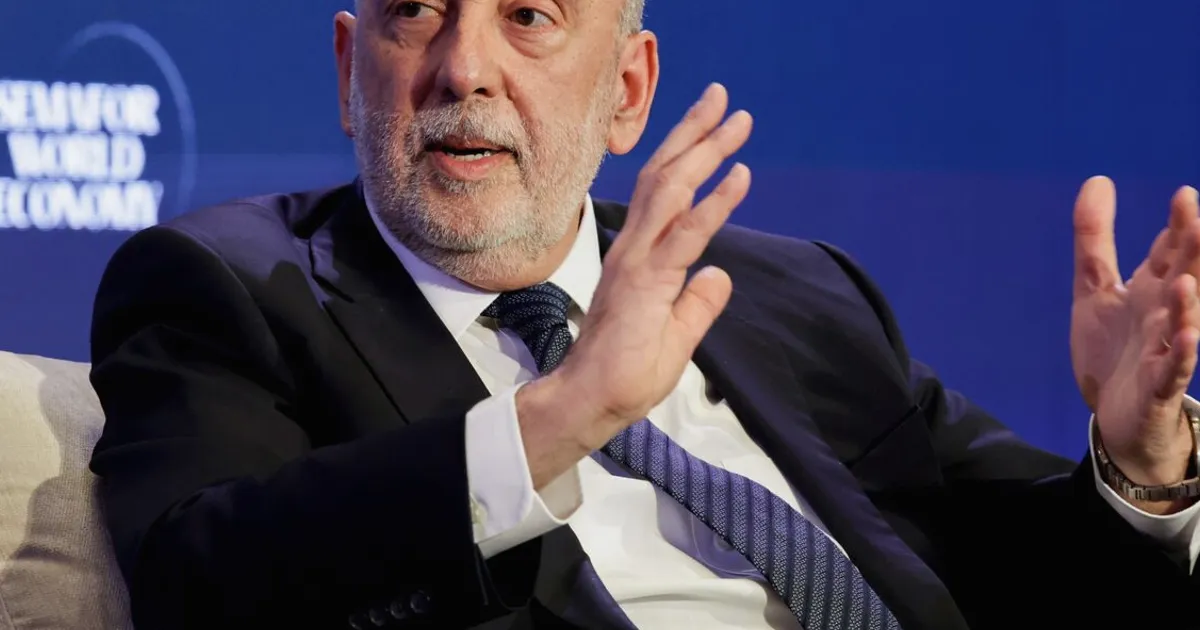
European Central Bank Governing Council member Gabriel Makhlouf has downplayed the idea that a peace deal between the US and Iran would quickly alter the trajectory of euro-area inflation. In remarks reported by Bloomberg, Makhlouf argued that lingering price pressures remain a concern for the ECB, even as geopolitical tensions ease. He emphasized that while a potential US-Iran agreement could reduce oil supply risks and lower energy prices, the central bank's focus remains on domestic inflation drivers such as wage growth and services inflation. These factors, he suggested, are more persistent and less likely to be influenced by short-term geopolitical developments.
For financial markets, Makhlouf's comments reinforce the view that the ECB is unlikely to pivot to a dovish stance soon, despite potential relief from lower energy prices. A US-Iran deal could reduce oil supply risks, but the ECB remains focused on domestic inflation drivers such as wage growth and services inflation. Traders should monitor eurozone inflation data and ECB communications for further clues on the rate path. The central bank's cautious approach reflects its mandate to ensure price stability, and any premature easing could risk undoing progress made in bringing inflation down from double-digit highs. For current pricing on key commodities like crude oil, check NowPrice's commodities page.
Looking ahead, markets will watch for the next ECB meeting minutes and any further remarks from policymakers. The key question is whether the ECB will maintain its tightening bias or acknowledge that the Iran deal could eventually feed through to lower inflation. Until then, eurozone bond yields and the euro's exchange rate may remain sensitive to shifts in rate expectations. Investors should also keep an eye on upcoming economic data releases, such as the eurozone consumer price index, which will provide further insight into the persistence of price pressures. The ECB's next policy decision will be closely scrutinized for any changes in language that might signal a shift in the balance of risks to inflation.