




FAO Cereal Price Index Falls 3.5% as Wheat, Maize Drop
The FAO Cereal Price Index fell 3.5% in June, driven by sharp declines in wheat and maize prices amid improved global supply outlooks.
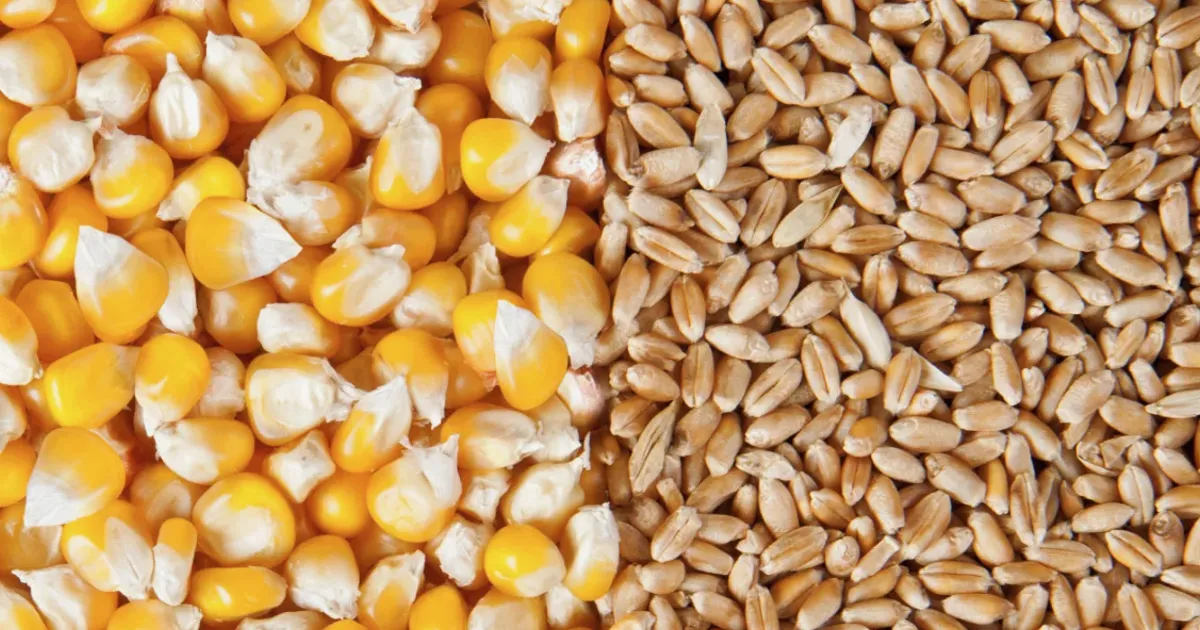
The FAO Cereal Price Index declined 3.5% in June, marking a significant monthly drop as wheat and maize prices retreated sharply. The index, which tracks international prices of major cereals including wheat, maize, rice, and barley, fell to its lowest level in several months, reflecting improved supply conditions in key exporting regions. This decline was driven by ample harvests in the United States, Russia, and Ukraine, as well as favorable weather forecasts for the upcoming Northern Hemisphere growing season. The index's movement is closely watched by global food markets, as cereals account for a substantial portion of caloric intake worldwide and are a key input for livestock feed and biofuel production.
For commodity traders, the drop in cereal prices signals easing global food inflation pressures, which could influence central bank policy expectations in emerging markets where food costs heavily impact consumer price indices. Lower grain prices also benefit import-dependent countries in Africa, the Middle East, and Asia, potentially boosting demand for other commodities such as oilseeds and metals as disposable incomes improve. Traders can monitor real-time price movements for wheat and maize futures on NowPrice's live commodities dashboard to track further developments, as these contracts are among the most liquid in the agricultural sector and often set the tone for broader commodity market sentiment.
Looking ahead, market attention will focus on upcoming harvest reports from the Northern Hemisphere, particularly US winter wheat yields and Brazilian corn production, which are critical for global supply balances. Weather patterns in the Black Sea region, including potential drought or excessive rainfall in Russia and Ukraine, and any shifts in export policies from major suppliers like Russia and Ukraine will also be key drivers for cereal prices in the coming months. Additionally, traders will watch for changes in Chinese import demand, as the world's largest grain buyer adjusts its purchasing strategy amid domestic stock levels and trade relations. The interplay of these factors will determine whether the current price decline is sustained or reverses as the harvest season progresses.