




Gafta launches updated rice contracts after merger with London Rice Brokers
Gafta has introduced updated rice contracts following its merger with the London Rice Brokers Association, aiming to standardize global rice trade documentation.
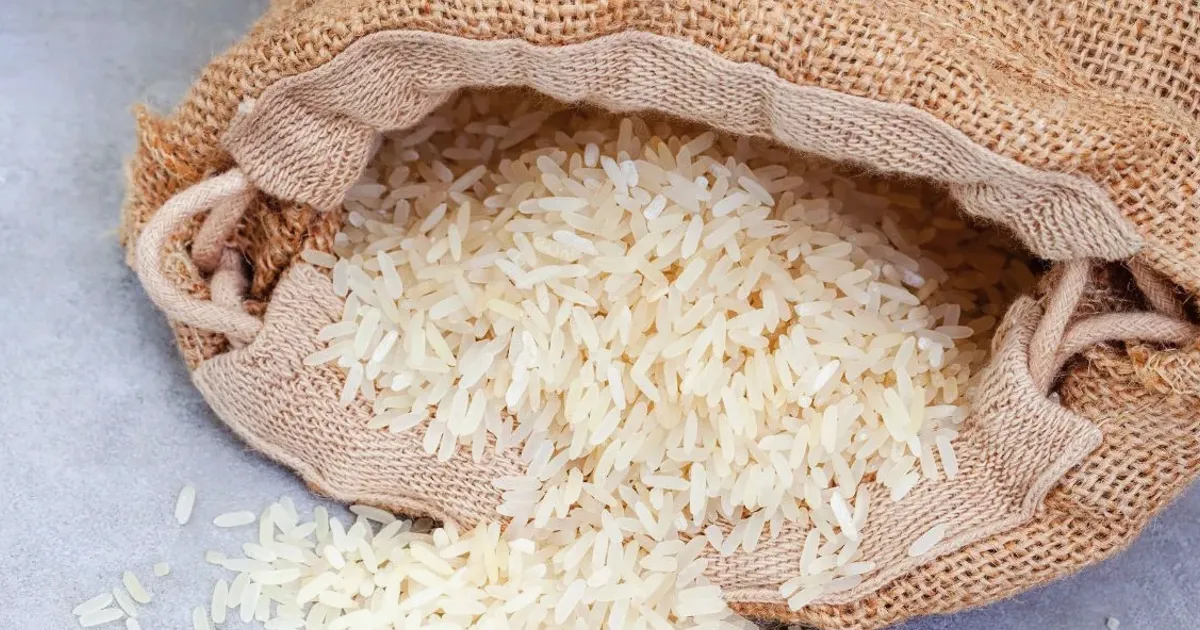
The Grain and Feed Trade Association (Gafta) has launched updated rice contracts, following its merger with the London Rice Brokers Association. The new contracts aim to modernize and standardize terms for global rice trade, reflecting industry practices and legal frameworks. These contracts cover key aspects such as quality specifications, delivery terms, and dispute resolution mechanisms, aligning with international trade norms like those of the International Chamber of Commerce. The merger, completed earlier this year, combines Gafta's extensive experience in grain trading with the LRBA's specialized knowledge in rice, creating a unified voice for the industry. The updated contracts replace older versions that had been in use for decades, addressing modern challenges such as logistics disruptions and varying quality standards across exporting countries like India, Thailand, and Vietnam.
For traders, standardized contracts reduce legal risks and transaction costs, facilitating smoother cross-border deals. Rice is a key staple, feeding over half the world's population, and contract clarity can influence pricing and hedging strategies. By providing clear terms, these contracts help mitigate disputes over grain quality, shipment timing, and payment conditions, which are common in the volatile rice market. NowPrice provides real-time commodities quotes for rice and other grains, helping traders track market movements. The updated contracts also incorporate provisions for force majeure and arbitration, which are crucial in times of geopolitical tensions or climate-related disruptions. This standardization is expected to boost confidence among buyers and sellers, potentially leading to increased liquidity in the rice futures market.
Market participants should monitor adoption rates of the new contracts and any adjustments in trading volumes. The merger consolidates rice trade expertise, potentially leading to further harmonization of contract terms across regions. Traders will also watch for feedback from major rice-exporting countries and how the contracts perform in actual transactions. Additionally, the impact on price discovery and the role of electronic trading platforms may evolve as these contracts gain traction. Any shifts in trading patterns could affect global rice supply chains and price benchmarks, making it essential for stakeholders to stay informed through reliable data sources like NowPrice.