




Gold Slips Third Day as Traders Eye US-Iran Talks, Fed Policy
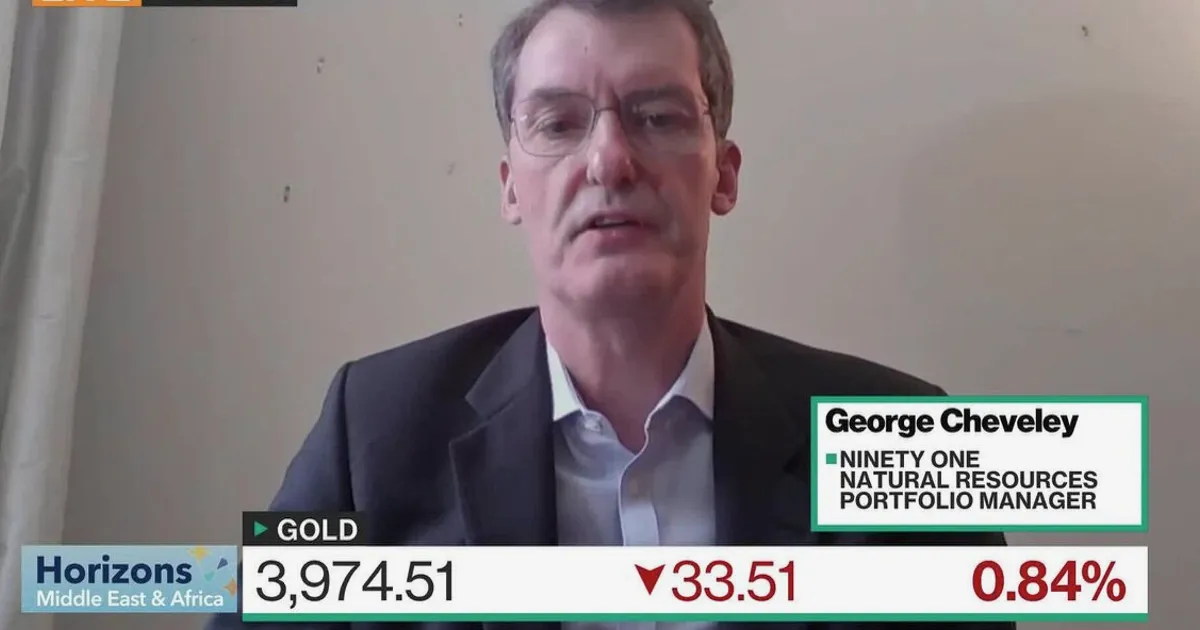
Gold extended its decline to a third day as traders monitored US-Iran peace talks and signals the Federal Reserve may tighten policy, though portfolio manager George Cheveley expects a recovery in the coming months.
Gold prices slipped for a third consecutive session on Wednesday, pressured by ongoing US-Iran peace talks and growing expectations that the Federal Reserve may tighten monetary policy. The yellow metal has retreated from recent highs as traders weigh geopolitical developments against the prospect of higher interest rates. Spot gold fell to around $2,320 per ounce, extending its decline from the $2,450 peak reached earlier this month. The decline comes as US-Iran negotiations continue, reducing safe-haven demand for gold. Meanwhile, hawkish signals from Fed officials have boosted the dollar and pushed bond yields higher, creating headwinds for non-yielding assets like gold. Traders can track these price movements on NowPrice's live commodities dashboard to monitor real-time changes in gold and other precious metals.
The decline in gold reflects a classic risk-on shift in markets, where improving geopolitical sentiment and expectations of tighter monetary policy reduce the appeal of safe-haven assets. Gold is particularly sensitive to real interest rates—when rates rise, the opportunity cost of holding gold increases since it offers no yield. The US dollar index has strengthened to near 105.5, making gold more expensive for overseas buyers. Additionally, the 10-year Treasury yield has climbed above 4.5%, further pressuring gold. However, central bank buying remains a key support factor; according to the World Gold Council, global central banks added 290 tonnes of gold in the first quarter of 2024, with China, India, and Turkey leading purchases. This institutional demand provides a floor under prices, even as speculative traders reduce long positions.
Looking ahead, market participants will focus on upcoming US economic data, particularly employment and inflation figures, which could influence the Fed's policy trajectory. The next major catalyst is the US non-farm payrolls report due on Friday, followed by the consumer price index release next week. A strong labor market or sticky inflation could reinforce hawkish Fed expectations, potentially pushing gold lower. However, George Cheveley, Natural Resources Portfolio Manager at Ninety One, expects gold to recover over the next few months, citing underlying support from central bank buying and geopolitical uncertainty. He notes that the current pullback is a healthy correction within a longer-term uptrend. Key levels to watch include support near $2,300, which aligns with the 50-day moving average, and resistance at $2,400, a psychological barrier that could trigger further gains if broken. A close above $2,400 would signal renewed bullish momentum, while a break below $2,300 could open the door to a test of $2,200.