




Heat Stress and Storms Threaten Pakistan Wheat Crop
Extreme heat and storm damage in Pakistan are expected to reduce wheat output, potentially tightening global supply and supporting prices.
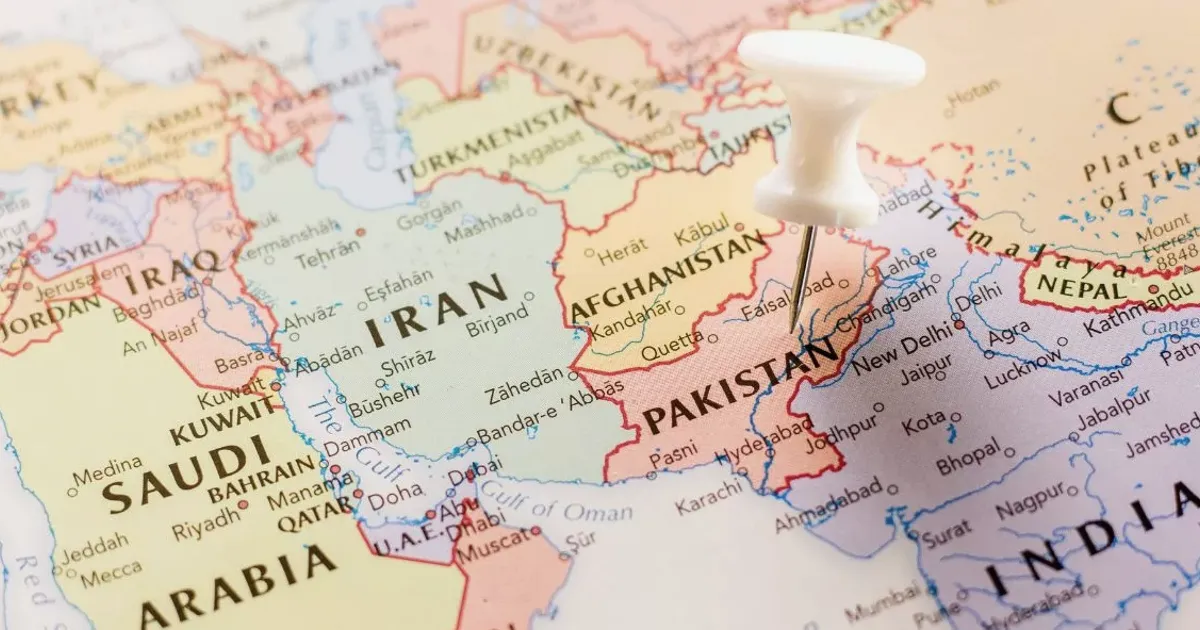
Extreme heat stress and storm damage are threatening Pakistan's wheat crop, raising concerns about lower output in one of Asia's key wheat-producing nations. The adverse weather conditions, including heatwaves and unseasonal storms, have hit major growing regions such as Punjab and Sindh, potentially reducing yields and overall production. Pakistan, typically the world's 7th largest wheat producer, relies heavily on its domestic harvest to feed a population of over 240 million. The current heat stress, with temperatures exceeding 40°C in April, has accelerated crop maturation, leading to smaller grain sizes, while unseasonal hailstorms and heavy rains have flattened standing crops in several districts. Early estimates suggest a possible 10-15% decline from last year's record harvest of 27.5 million tonnes, which could force the government to increase imports from traditional suppliers like Russia and Australia.
For commodities traders, Pakistan's wheat shortfall could tighten global supply, especially as other major exporters like Russia and Ukraine face their own weather and logistical challenges. Russia, the world's largest wheat exporter, has seen export restrictions due to drought and frost damage, while Ukraine's exports remain constrained by war-related infrastructure issues. A smaller Pakistani crop may increase import demand, supporting international wheat prices, which have already risen 8% this year on supply concerns. NowPrice's real-time commodities quotes provide the latest price levels for wheat futures and other grains, helping traders track these developments. The potential shortfall also highlights the vulnerability of global food systems to climate extremes, as heat stress and storms become more frequent in South Asia.
Looking ahead, traders will monitor official crop assessments from Pakistan's Ministry of National Food Security and Research, as well as weather forecasts for the remaining growing season. The ministry is expected to release its final production estimate in June, which will be closely watched for confirmation of the damage. Any further weather disruptions, such as additional heatwaves or monsoon flooding, could exacerbate losses. Changes in government import policies, including potential tariff reductions or state-to-state deals, could also amplify price volatility. Additionally, traders will watch for any shifts in Pakistan's currency, as a weaker rupee would make imports more expensive, further supporting global wheat prices. The interplay between local weather events and global supply dynamics will remain a key focus for commodity markets in the coming months.