




Indonesia Export Rule Uncertainty Strains Traders as Policy Takes Effect
Indonesia's radical commodity export policy takes effect amid lingering uncertainty, causing traders to hold shipments and straining Southeast Asia's largest economy.
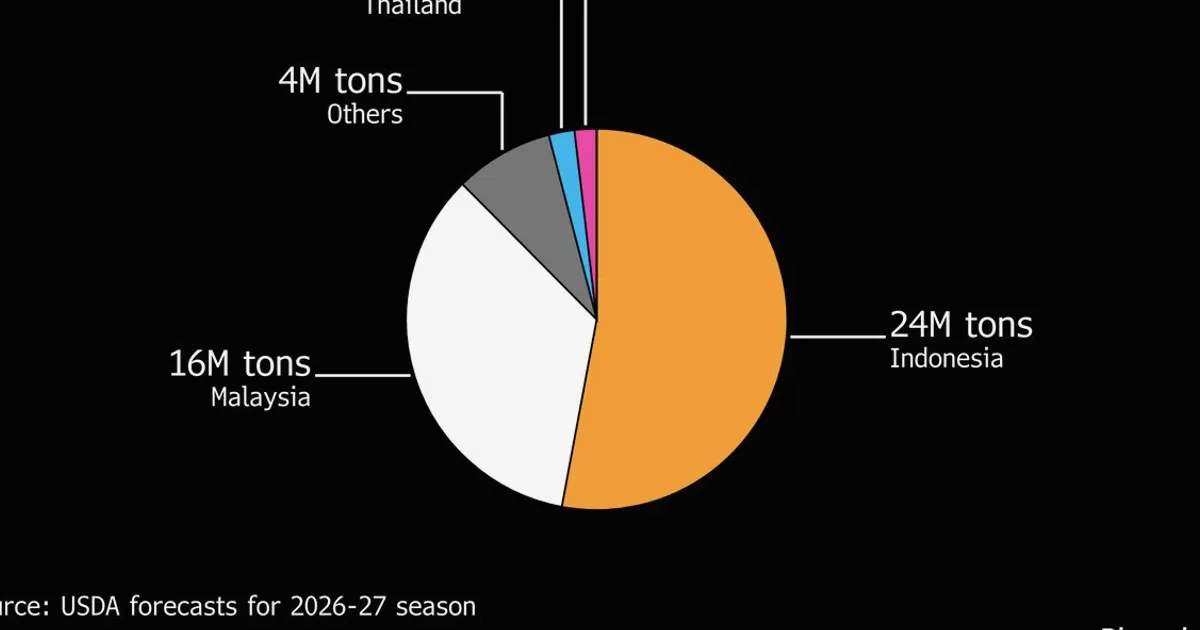
Indonesia's sweeping new commodity export rules have taken effect, but lingering uncertainty is causing traders to hold back shipments, adding to strains on Southeast Asia's largest economy.
The policy, which introduces radical changes to how key commodities like nickel, coal, and palm oil are exported, has been met with confusion over implementation details. Traders are delaying shipments as they await clearer guidelines, disrupting supply chains and creating bottlenecks at ports. The uncertainty comes at a time when Indonesia is already facing economic headwinds from slowing global demand and falling commodity prices.
For financial markets, this development is significant because Indonesia is a major supplier of several critical commodities. Disruptions to its export flows could tighten global supply, potentially supporting prices for nickel and coal, while palm oil markets may see increased volatility. Traders can monitor real-time price movements of these commodities on NowPrice's live dashboard to track the impact of these policy changes.
Looking ahead, market participants will closely watch for any official clarifications from the Indonesian government regarding the new rules. The pace of policy implementation and the resolution of logistical bottlenecks will be key factors influencing commodity prices in the near term. Additionally, any further shifts in global demand, particularly from China, could amplify the effects of Indonesia's export policy on global markets.