




Iran War Reshapes China Petrochemical Trade Flows
The Iran war has disrupted global petrochemical supply chains, prompting Chinese plants to boost exports of key industrial materials to ease a domestic glut.
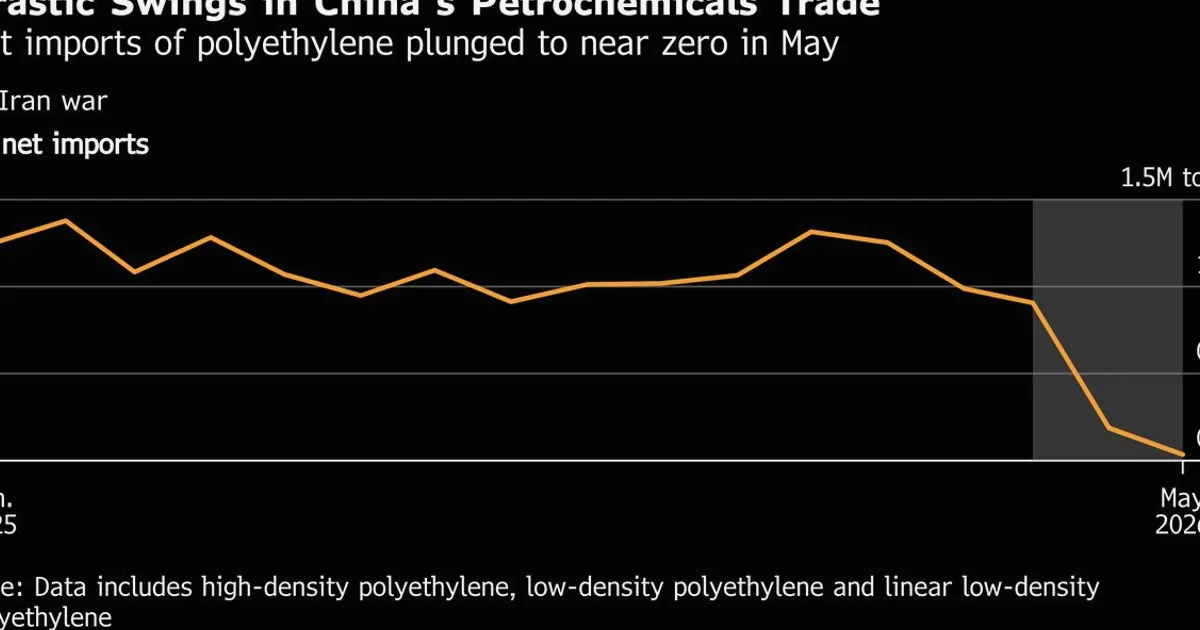
The war in Iran has triggered a major realignment of China's petrochemical trade, enabling domestic plants to boost exports of key industrial feedstocks used in plastics, rubber, and textiles. This shift helps alleviate a persistent glut in China's petrochemical sector while reshaping global supply routes.
For commodities traders, this development signals significant price dislocations across petrochemical markets. China, as the world's largest producer of many basic petrochemicals, now redirects surplus output to international buyers, potentially depressing prices in regions that traditionally import from the Middle East. Meanwhile, Iranian supply disruptions tighten availability of certain feedstocks, creating arbitrage opportunities. Traders can monitor these price movements in real time on NowPrice's live commodities dashboard, tracking spreads between Chinese export offers and Middle Eastern benchmarks.
Looking ahead, traders should watch for further escalation or de-escalation of the conflict, as well as China's domestic demand trends. Key data points include Chinese export volumes of ethylene, propylene, and paraxylene, along with operating rates at Chinese petrochemical plants. Any shift in Iran's production capacity or shipping routes through the Strait of Hormuz will also be critical to monitor.