




Iron Ore Drops Below $100 as Supply Glut Weighs on Outlook
Iron ore futures fell below $100 a ton for the first time since March, pressured by ample seaborne supply and weakening demand from China's steel sector.
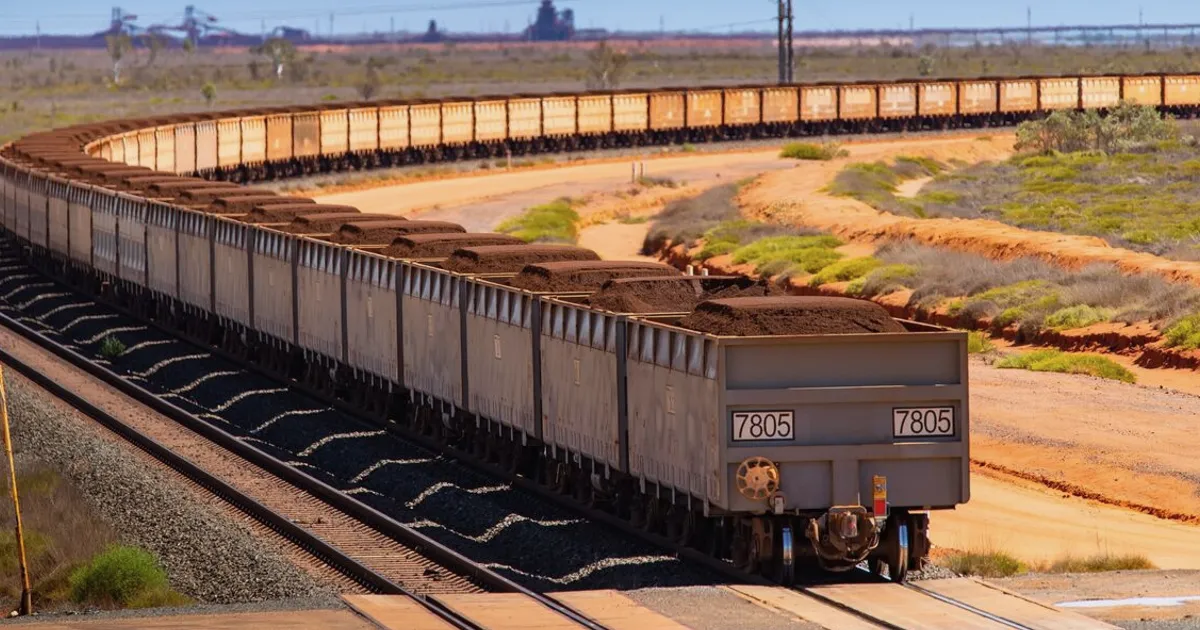
Iron ore futures sank below $100 a ton for the first time since March, as signs of abundant seaborne supplies collided with headwinds in Chinese demand. The benchmark price drop reflects growing concerns that the global market is entering a period of oversupply, just as the world's largest steel producer faces slowing construction and industrial activity. Iron ore is a key raw material for steelmaking, and its price is closely tied to global economic cycles, particularly in China, which accounts for over half of the world's steel production. The decline below the psychologically important $100 level marks a reversal from the highs seen earlier this year, when supply disruptions and strong demand pushed prices above $140.
For commodities traders, the breach of the $100 psychological level is significant. It signals that supply-side pressures — including increased shipments from major producers in Australia and Brazil — are overwhelming demand. China's steel output has been constrained by weak property sector activity and tighter environmental regulations, reducing the need for iron ore imports. Traders tracking real-time commodities prices on NowPrice can monitor further downside risks as the market reassesses the supply-demand balance. The oversupply narrative is reinforced by data showing that port inventories in China have risen to multi-month highs, while steel mills are operating at reduced capacity due to thin margins and seasonal maintenance. This dynamic is reminiscent of previous downturns, such as in 2014-2015, when a supply glut from major miners drove prices below $50.
Looking ahead, market participants will focus on Chinese steel production data and any stimulus measures from Beijing that could boost infrastructure spending. Also key are export volumes from Rio Tinto, BHP, and Vale, which could exacerbate the glut if they continue to rise. A sustained move below $100 could trigger further selling, while any signs of demand recovery might provide a floor for prices. Traders will also watch for production cuts from major miners, which could help rebalance the market. The next catalyst could come from China's upcoming economic data releases or policy announcements, as well as any shifts in global trade flows. If the current trend persists, iron ore may test support levels around $90, a threshold not seen since late 2022.