




Iron Ore Rises on Fortescue Curbs and Price Slump Buying
Iron ore prices rose after China expanded curbs on Australian miner Fortescue and as recent price declines attracted buyers, supporting demand for the steelmaking raw material.
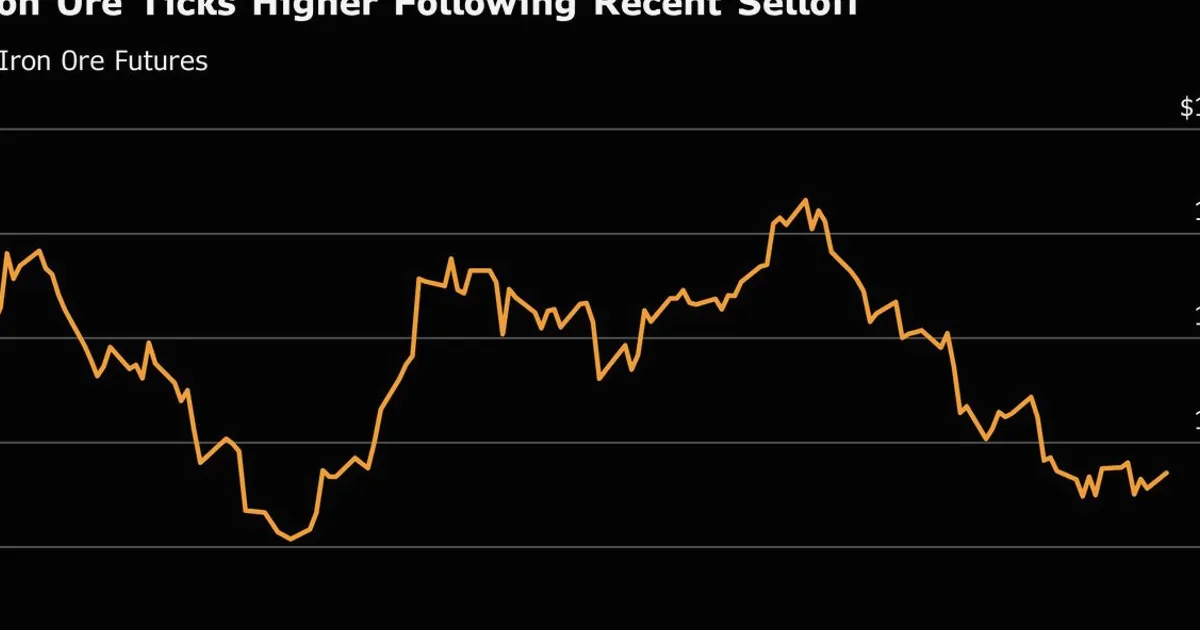
Iron ore prices advanced after China's state-backed buyer expanded restrictions on Australian miner Fortescue Ltd., while a recent slump in prices spurred buying interest. The move highlights ongoing geopolitical tensions between China and Australia, which have periodically disrupted iron ore trade flows. Iron ore is a key raw material for steelmaking, and China is the world's largest steel producer, consuming over 70% of global seaborne iron ore. Fortescue is one of the top three global iron ore miners, alongside Rio Tinto and BHP Group, so any curbs on its exports can significantly affect supply dynamics. The recent price decline—driven by weak steel demand and high port inventories—had already made iron ore more attractive to buyers, and the supply curbs added upward pressure. Traders should monitor China's steel production data and port inventories for further clues on demand. For current pricing, check NowPrice's commodities page.
For commodities traders, the development is significant because China is the world's largest iron ore consumer, and any supply disruption from a major producer like Fortescue can tighten the market. The recent price decline had already made iron ore more attractive to buyers, and the supply curbs added upward pressure. Traders should monitor China's steel production data and port inventories for further clues on demand. For current pricing, check NowPrice's commodities page. The iron ore market is also influenced by China's property sector, which accounts for about 30% of steel demand, and by infrastructure spending. Any stimulus measures from Beijing to support the property market could boost steel demand and further support iron ore prices. Conversely, if steel production remains weak, prices could face headwinds despite supply constraints.
Looking ahead, market participants will watch for any further restrictions on Australian miners and China's stimulus measures for its property sector, which drives steel demand. The iron ore market remains sensitive to policy shifts and trade relations between the two countries. Key data points to watch include weekly iron ore port inventories in China, which currently stand at around 150 million tonnes, and steel mill profitability, which affects production rates. Additionally, any developments in the China-Australia trade relationship, such as potential tariff reductions or new trade agreements, could alter the supply outlook. Traders should also keep an eye on the Chinese yuan exchange rate, as a weaker yuan makes dollar-denominated iron ore more expensive for Chinese buyers, potentially dampening demand.