




Ivory Coast Cocoa Crop May Drop 20% as Pod Counts Lag
Traders surveyed by Bloomberg expect Ivory Coast cocoa output to fall roughly 20% next season due to lagging pod counts, threatening tighter global supplies.
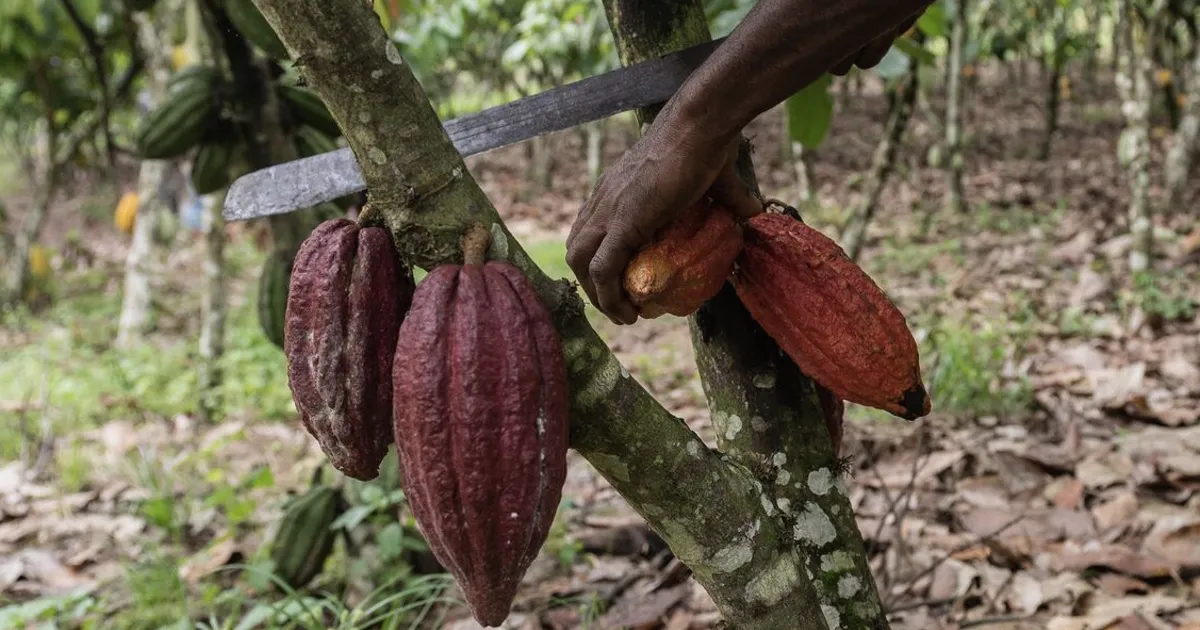
The cocoa crop in Ivory Coast, the world's top producer, could fall by roughly a fifth in the upcoming season as pod counts trail historical averages, according to a Bloomberg survey of traders. The shortfall risks tightening global supplies and could push cocoa prices higher. Cocoa pod counts are a key early indicator of harvest size, as each pod contains beans that are fermented, dried, and sold. When pod development is poor, it directly reduces the number of beans available for processing, which can lead to supply constraints and upward pressure on prices. For traders and chocolate manufacturers, this signals potential cost increases and margin compression.
Traders surveyed by Bloomberg estimate that the next season's harvest may drop about 20% compared to the previous season, driven by poor pod development on trees. This supply concern comes at a time when global cocoa inventories are already low, and any further reduction could exacerbate the deficit. The International Cocoa Organization has noted that global stock-to-grind ratios are near multi-year lows, meaning the market has little buffer to absorb production shortfalls. For traders monitoring commodity markets, the potential supply squeeze is a key factor to watch. NowPrice's live commodities dashboard allows traders to track cocoa price movements in real time as the situation evolves, providing up-to-date data on futures contracts and spot prices.
Looking ahead, market participants will focus on upcoming rainfall patterns in West Africa and official crop forecasts from Ivory Coast's cocoa regulator, the Conseil du Café-Cacao. The region's weather during the April-to-October growing season is critical for pod development, and any dry spells could worsen the outlook. Additionally, the regulator's mid-crop estimates, typically released in early 2025, will be closely scrutinized for confirmation of the decline. Any confirmation of a significant production decline could trigger further price volatility. The next few weeks will be critical as the main crop develops, and traders should watch for updates on pod counts and weather forecasts to gauge the severity of the shortfall.