




NATO Allies Pledge $50 Billion in Defense Deals to Appease Trump
NATO allies have committed to at least $50 billion in defense industry deals to demonstrate to President Trump that Europe is meeting his spending demands.
NATO allies have agreed to at least $50 billion in defense industry deals, a move aimed at placating US President Donald Trump by demonstrating that Europe is heeding his calls for increased defense spending. The agreements, reported by Bloomberg, come amid ongoing tensions over burden-sharing within the alliance and the war in Ukraine. This package is designed to show that European nations are willing to take on more financial responsibility for their own defense, addressing long-standing complaints from Washington that allies are not contributing their fair share. The deals cover a range of military hardware, including aircraft, missiles, and naval systems, with production spread across multiple countries to ensure broad industrial participation.
For financial markets, the defense spending commitments signal a potential boost for European defense contractors and related industries. Companies like BAE Systems (BAESY), Thales (THLEF), and Rheinmetall (RNMBF) are likely to benefit from increased orders, while broader European indices such as the STOXX Europe 600 may see support from the defense sector. Traders can monitor the impact on defense stocks and broader European indices through NowPrice's live commodities dashboard, which tracks price movements in key sectors. The deals also underscore the geopolitical risk premium that has supported commodity prices, particularly energy and metals, as defense spending often correlates with increased demand for raw materials like steel, aluminum, and titanium used in military production. Additionally, heightened geopolitical tensions can drive up oil prices due to supply concerns, especially given the ongoing conflict in Ukraine.
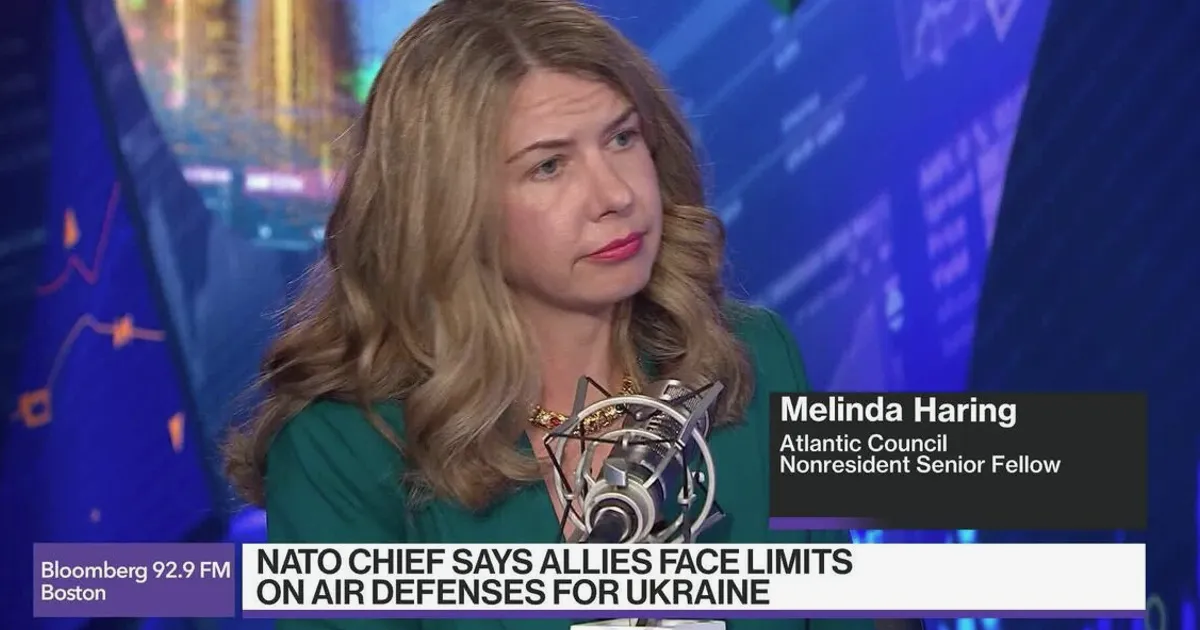
Looking ahead, market participants will watch for further details on the specific contracts and countries involved, as well as any reaction from the Trump administration. The progress of Ukraine's strategy to compel Russian President Vladimir Putin to negotiate, as noted by Atlantic Council fellow Melinda Haring, will also be a key factor influencing risk sentiment and commodity markets in the coming weeks. Any signs of de-escalation could reduce the geopolitical premium, while continued conflict may keep prices elevated. Investors should also monitor NATO's upcoming summit in July for additional announcements on defense spending targets and new procurement initiatives.